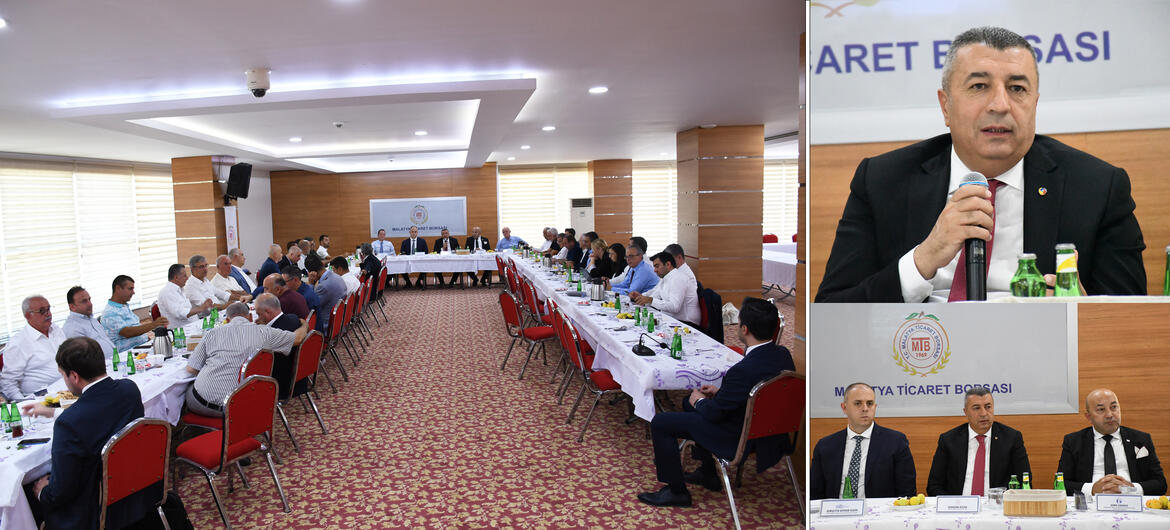
Toplantıda, geçen yıl yaşanan zirai donun ardından kayısı ihracatında kaybedilen pazarların yeniden kazanılması, lisanslı depoculuğun yaygınlaştırılması ve pestisit sorununun çözümü ele alındı.
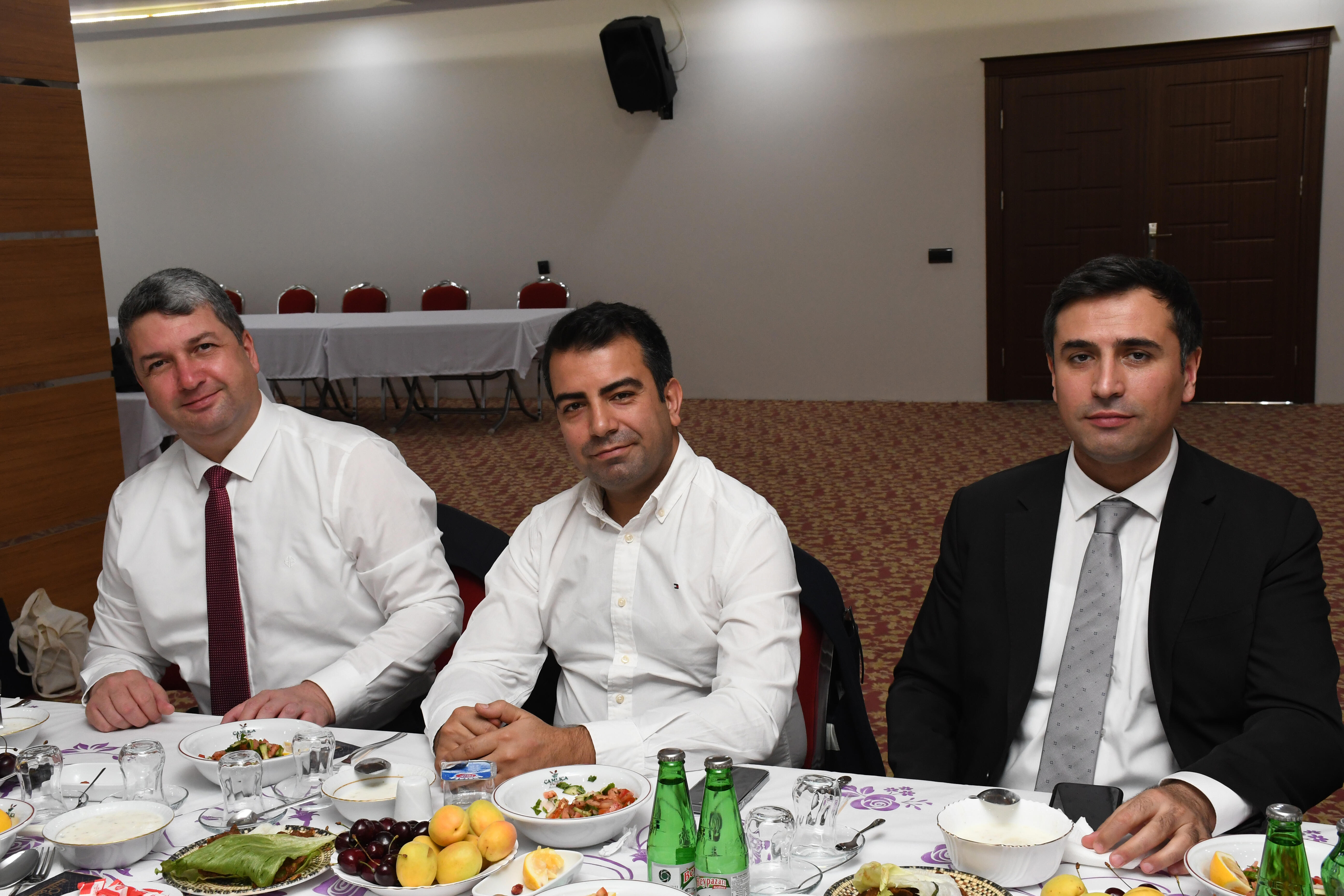
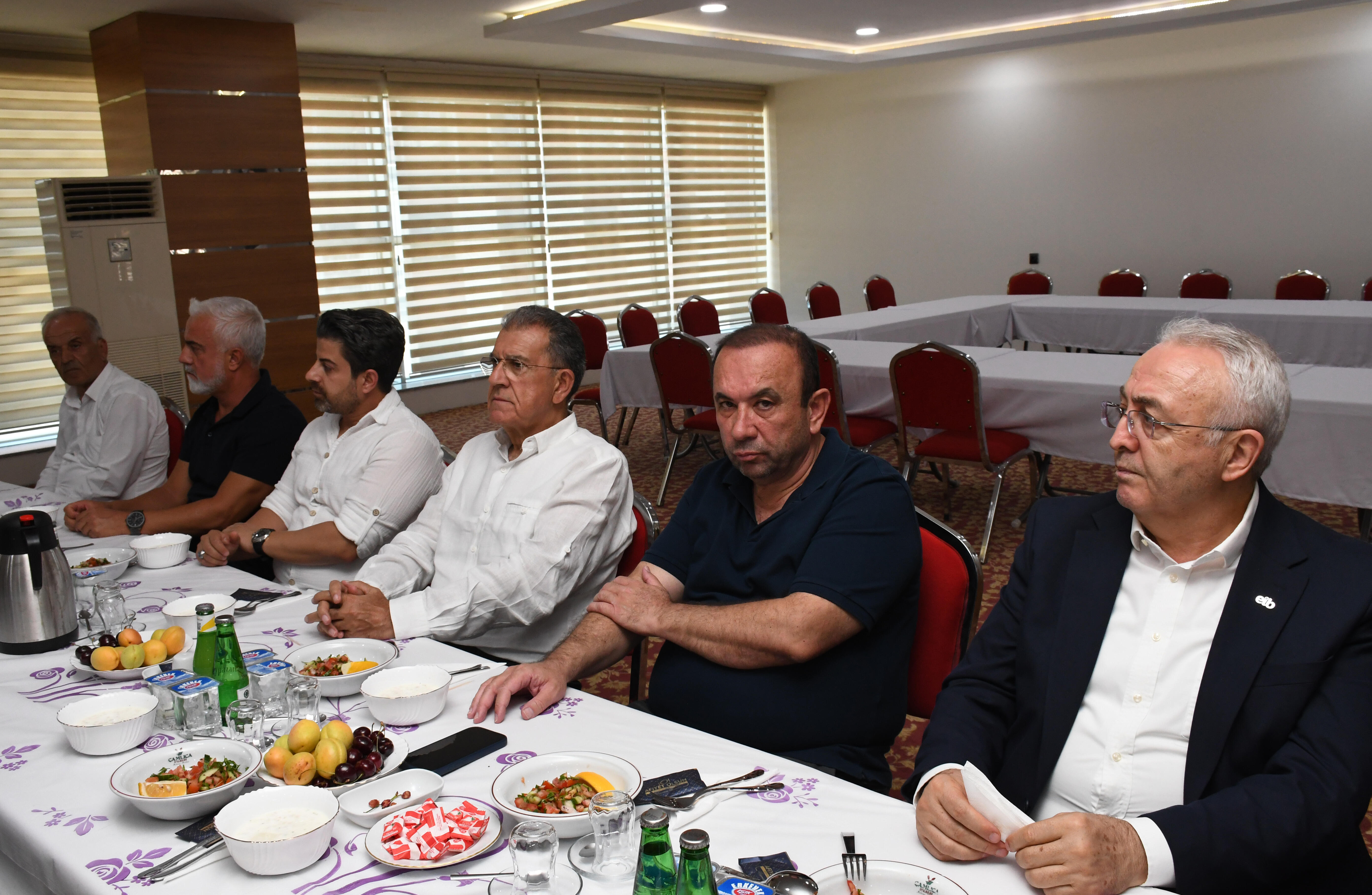
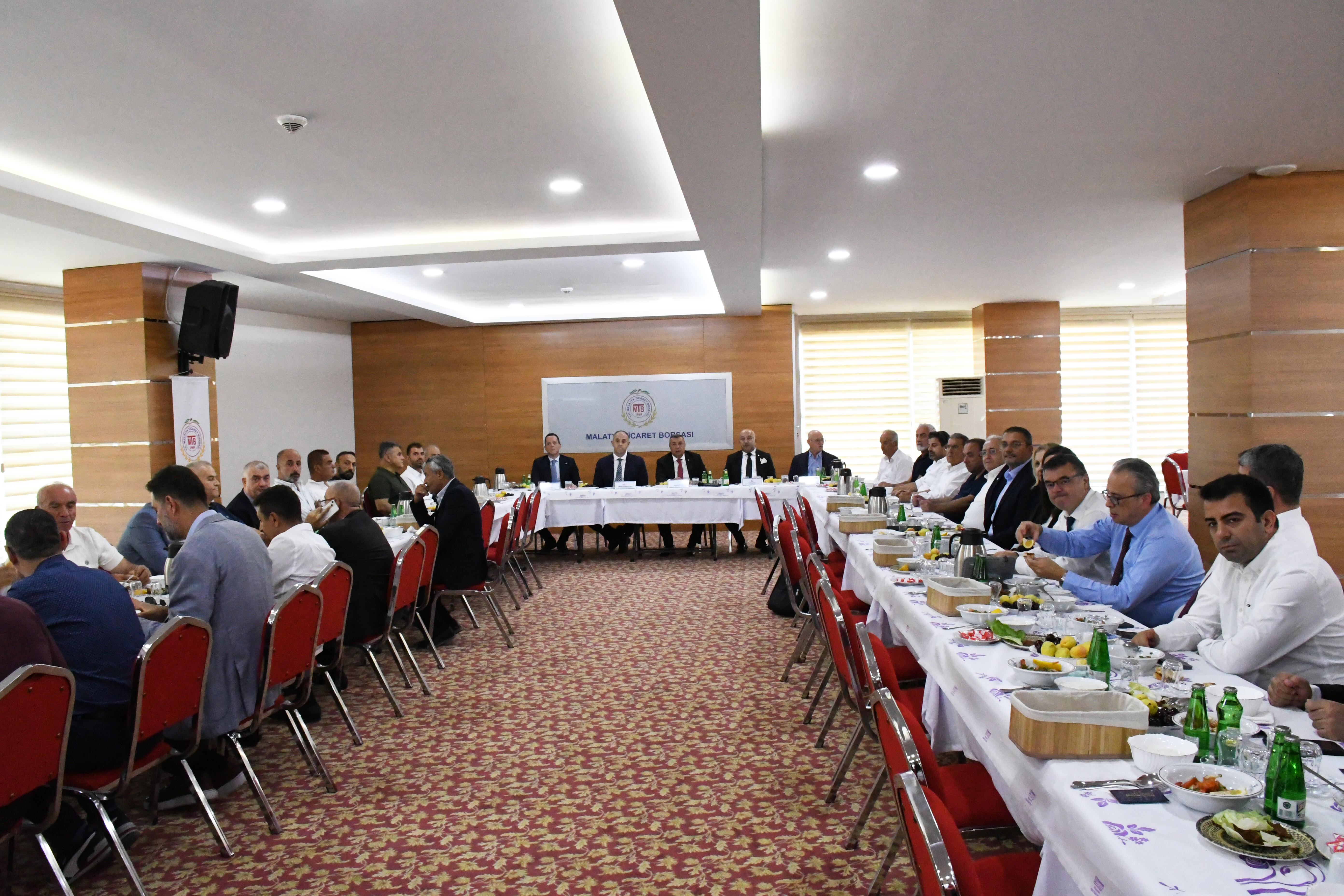
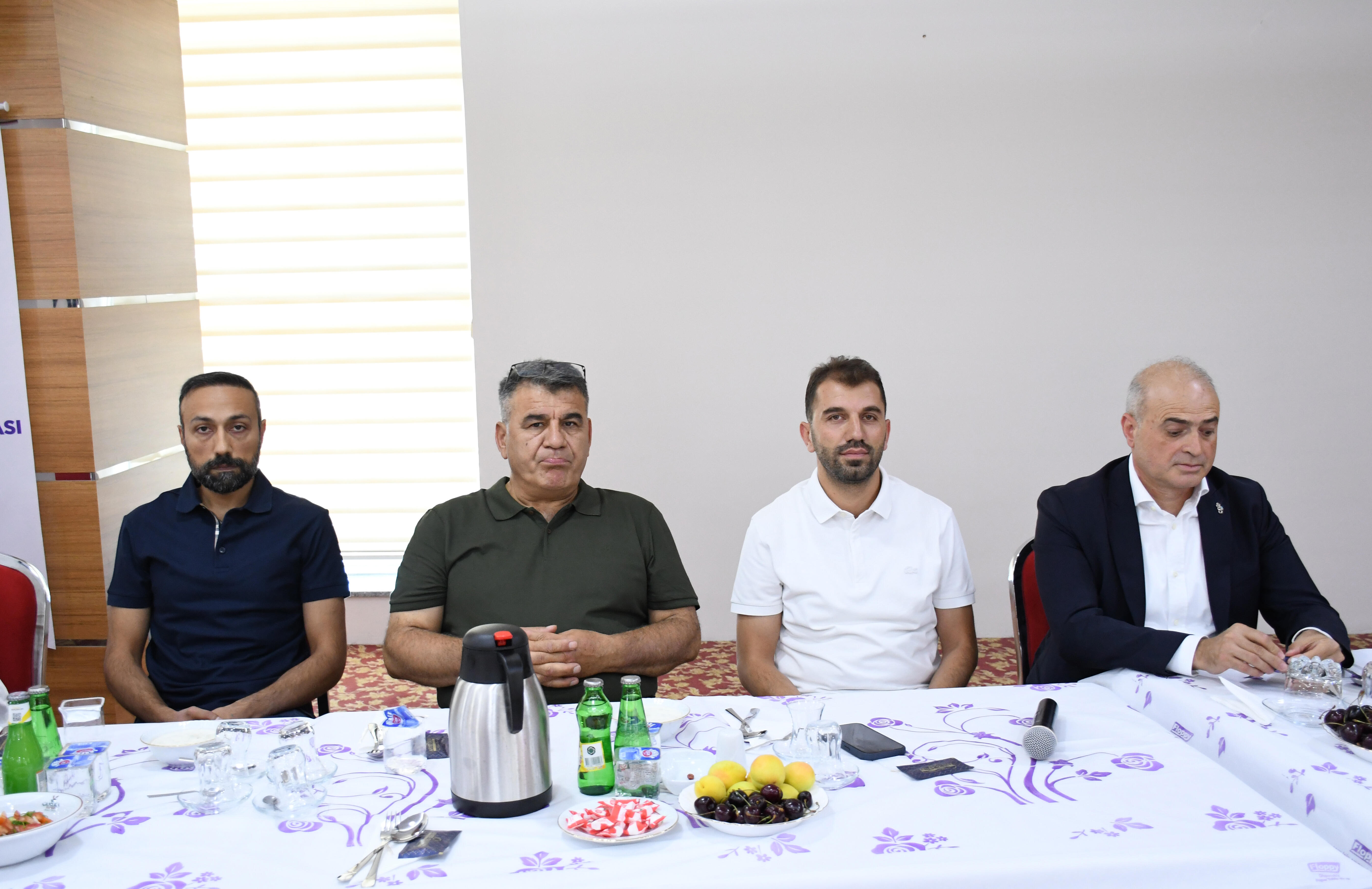
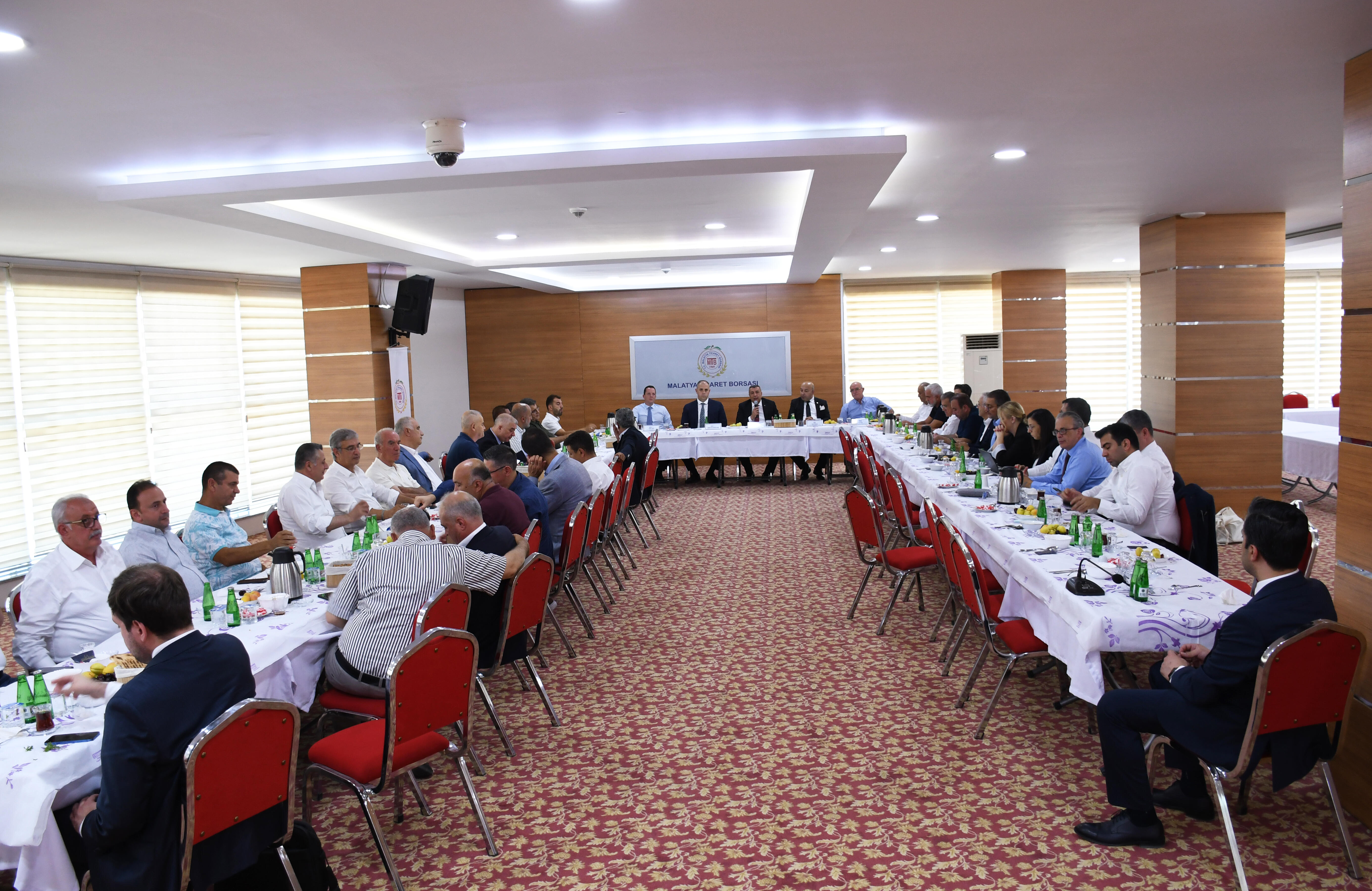
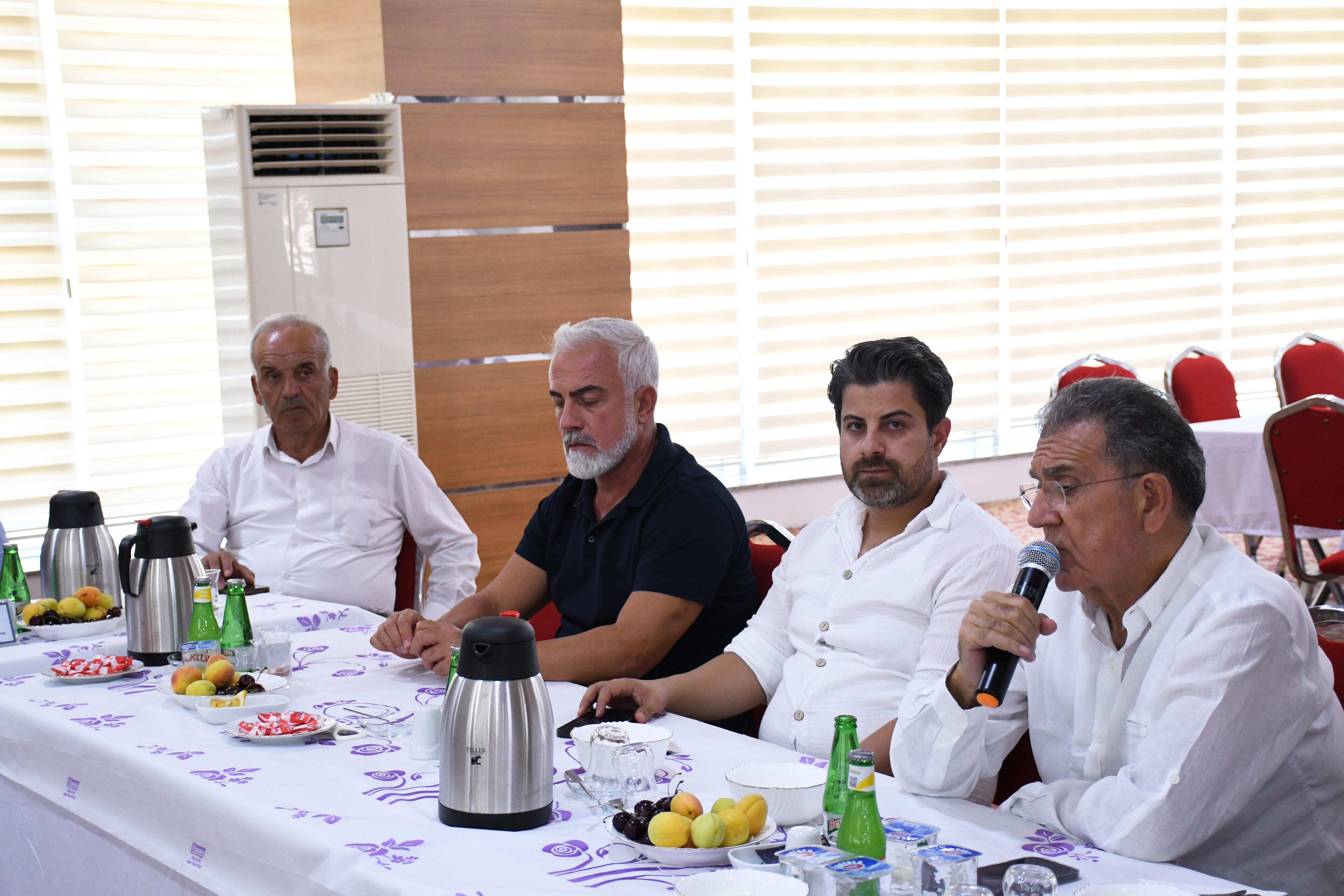
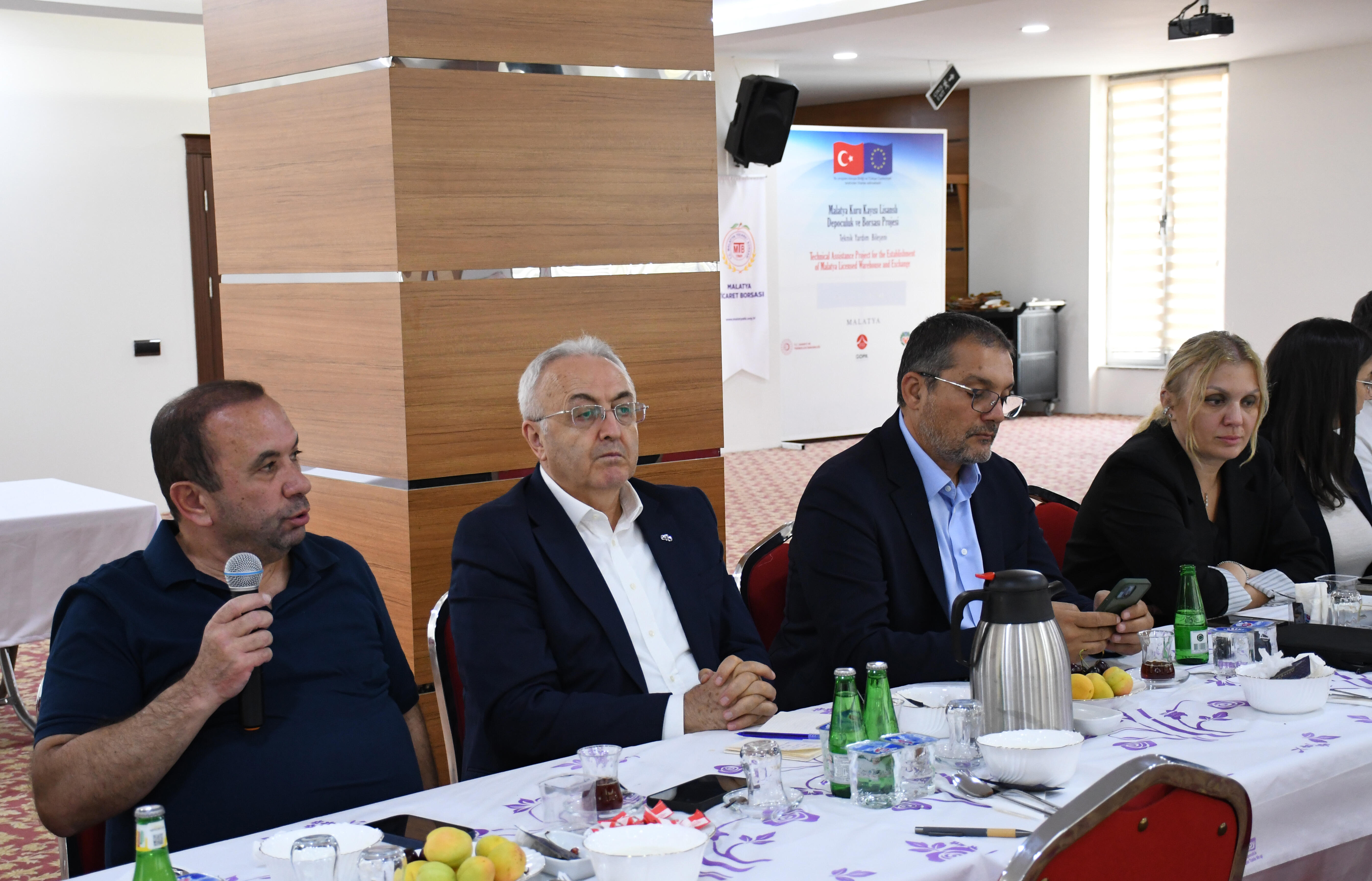
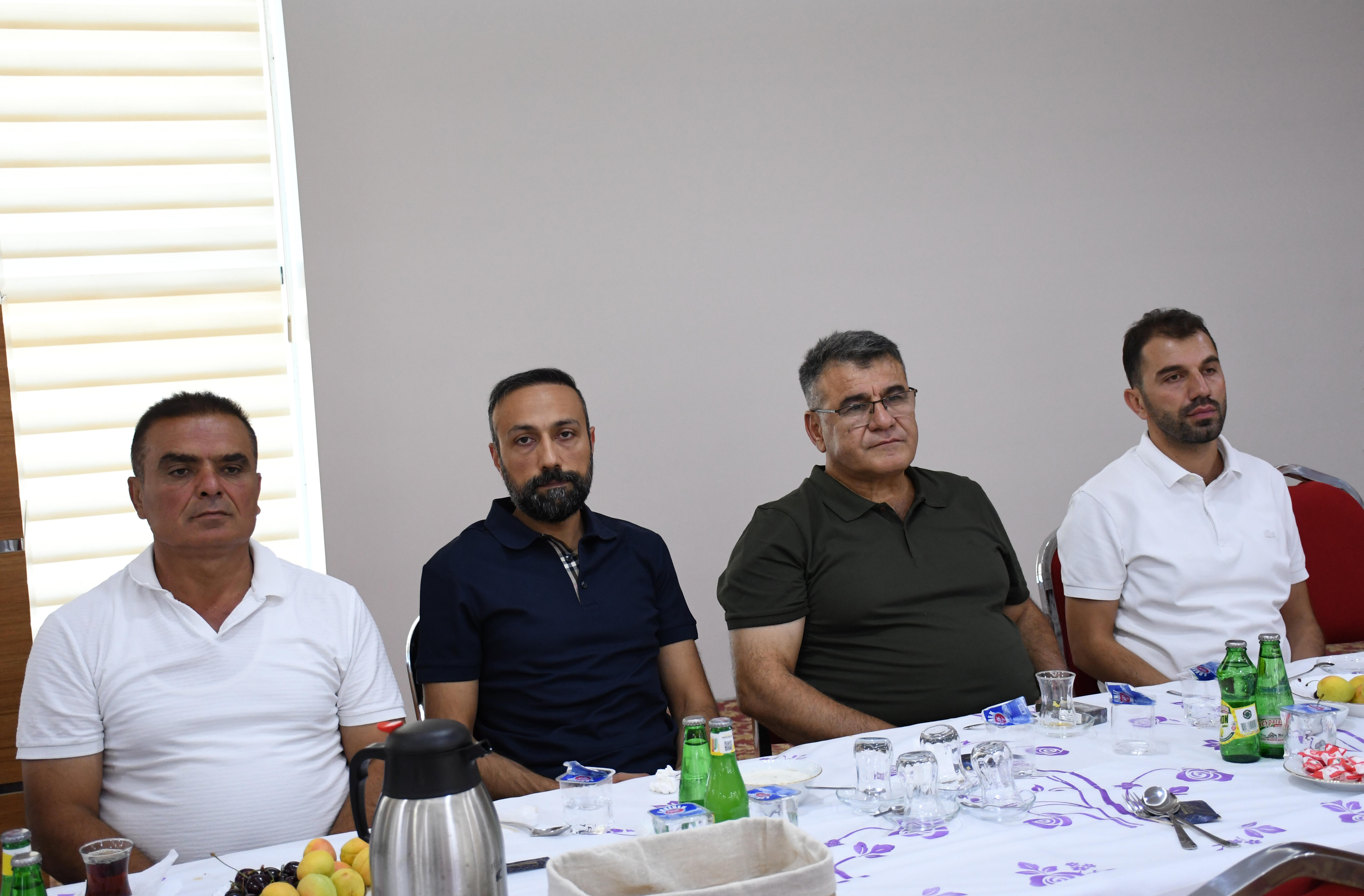
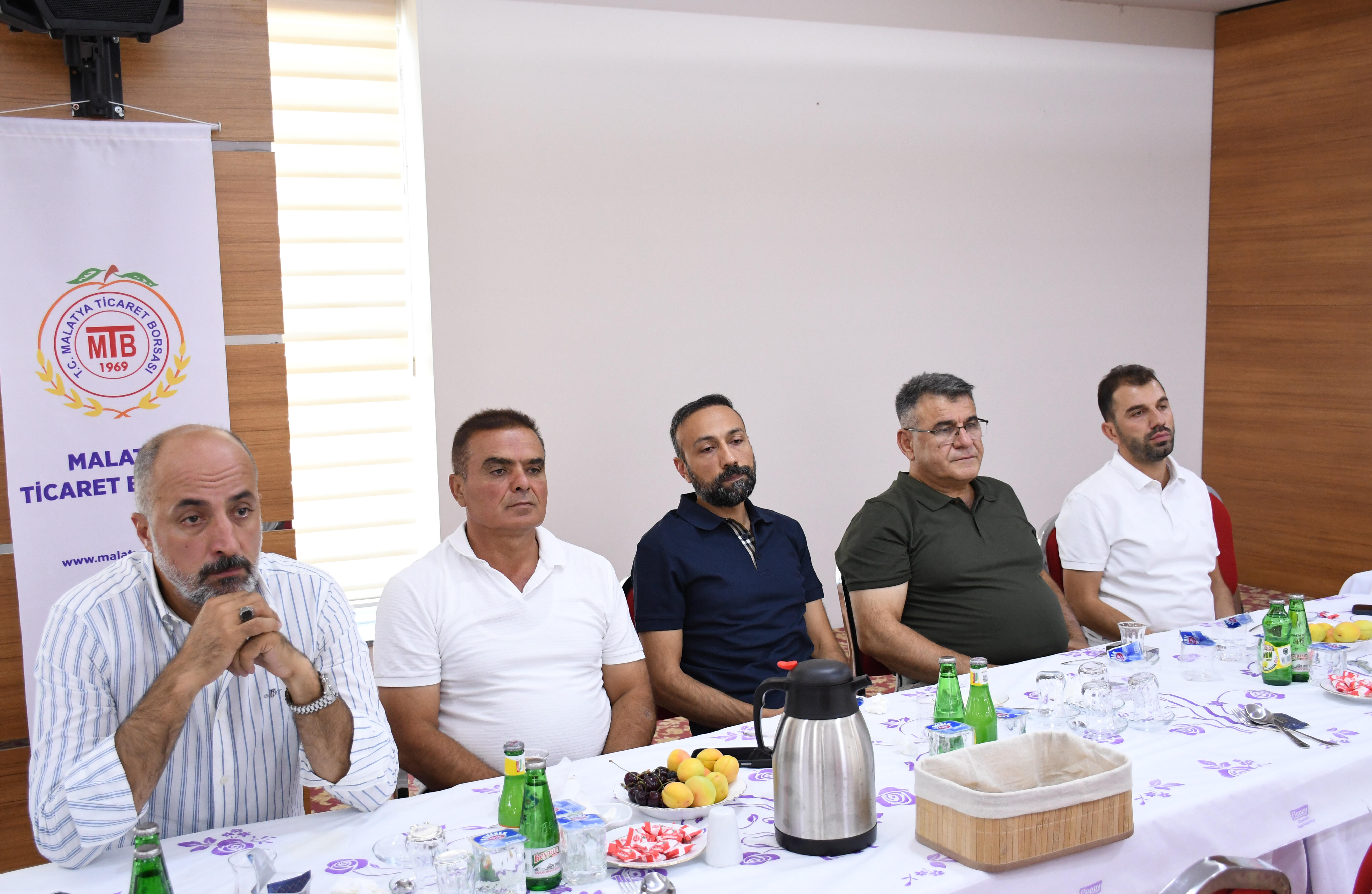
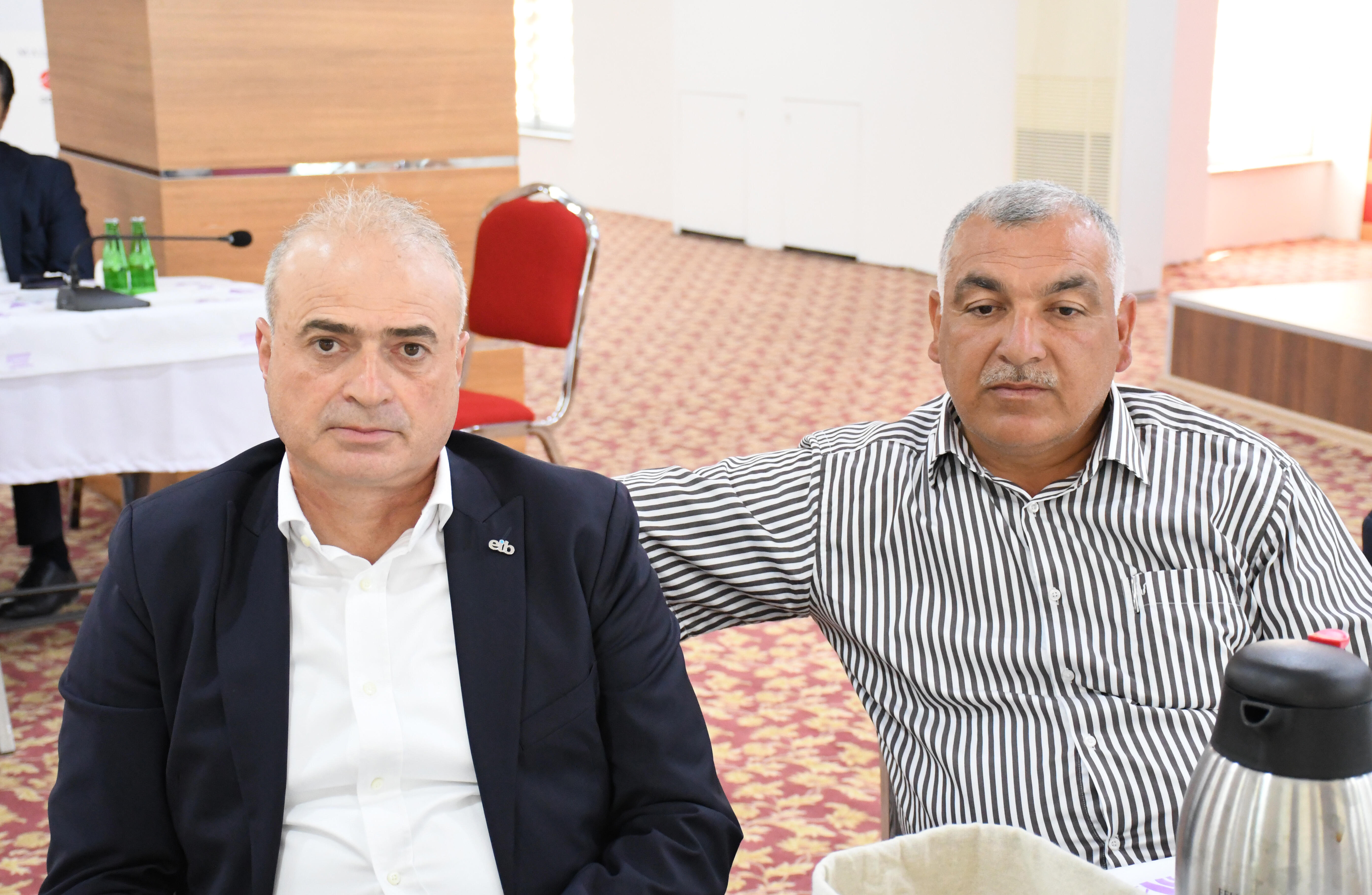
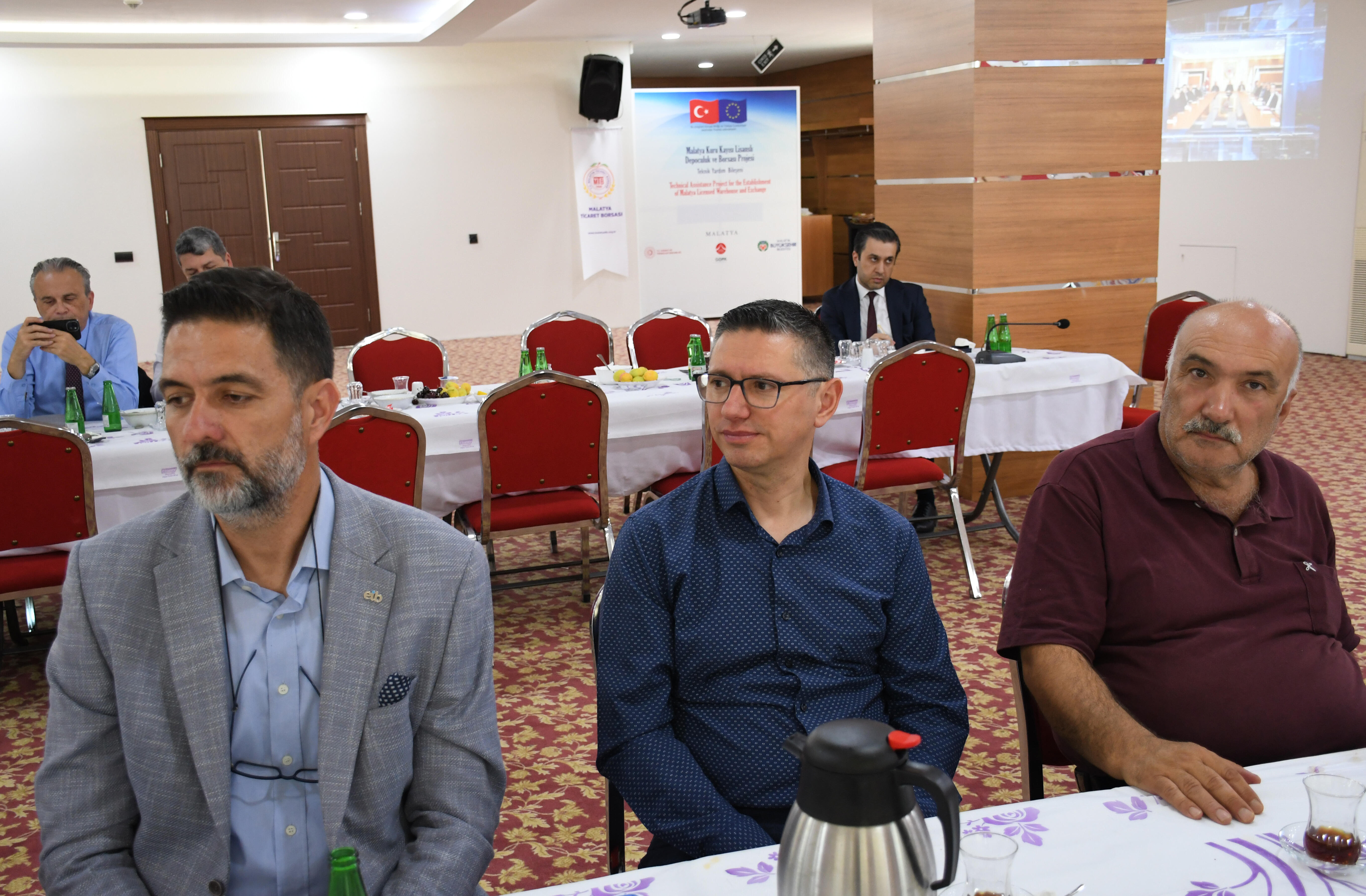
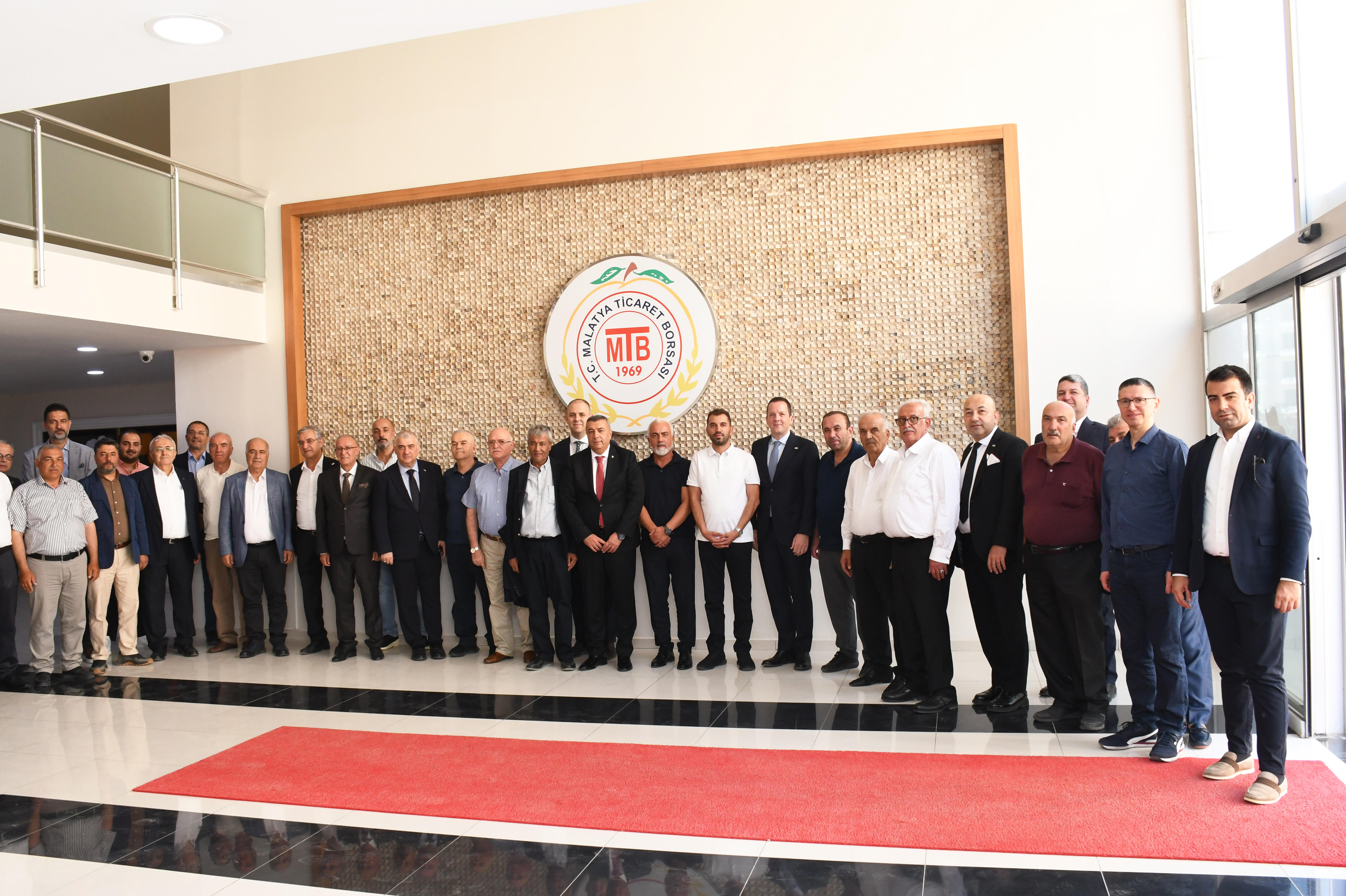
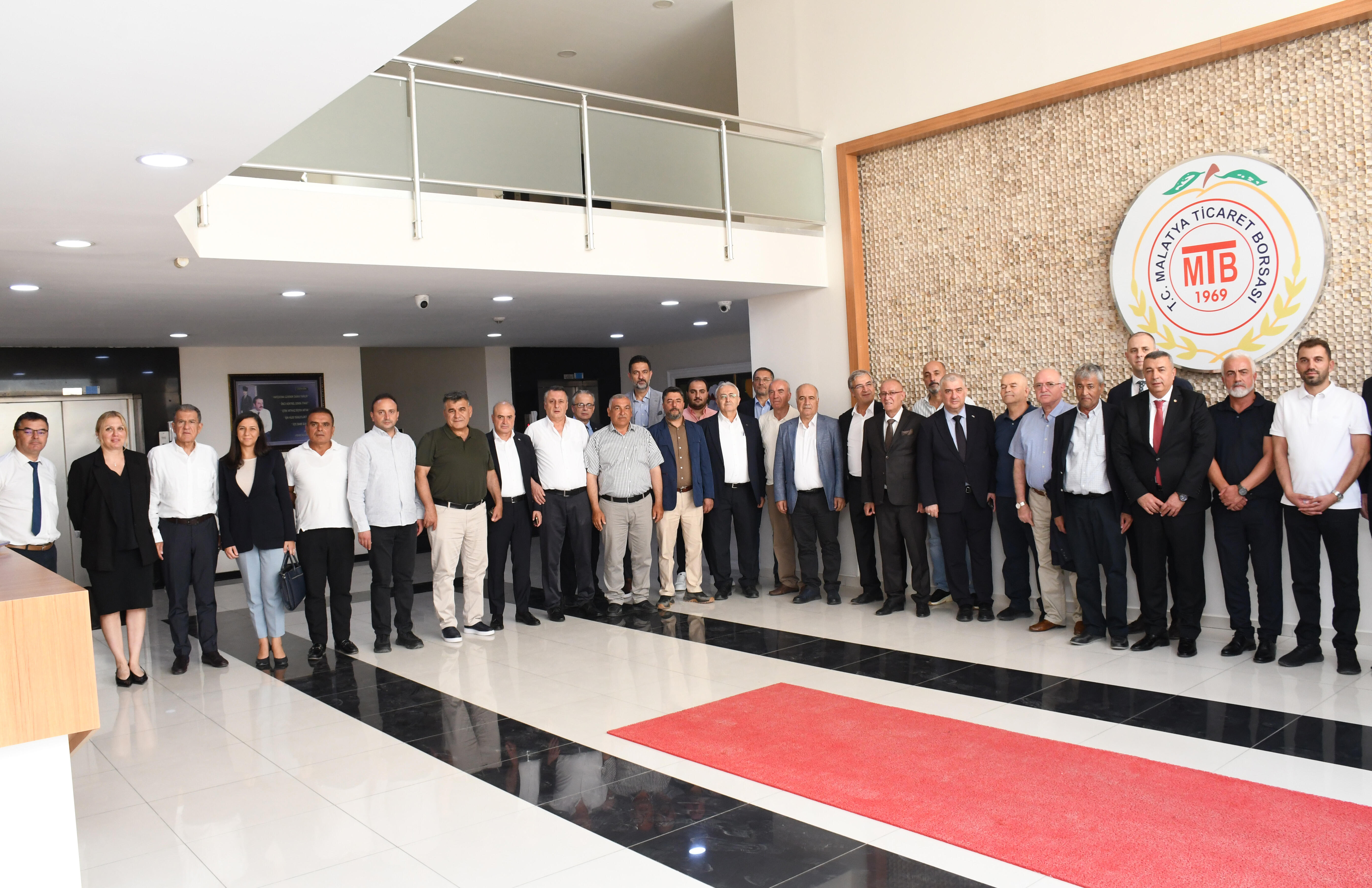
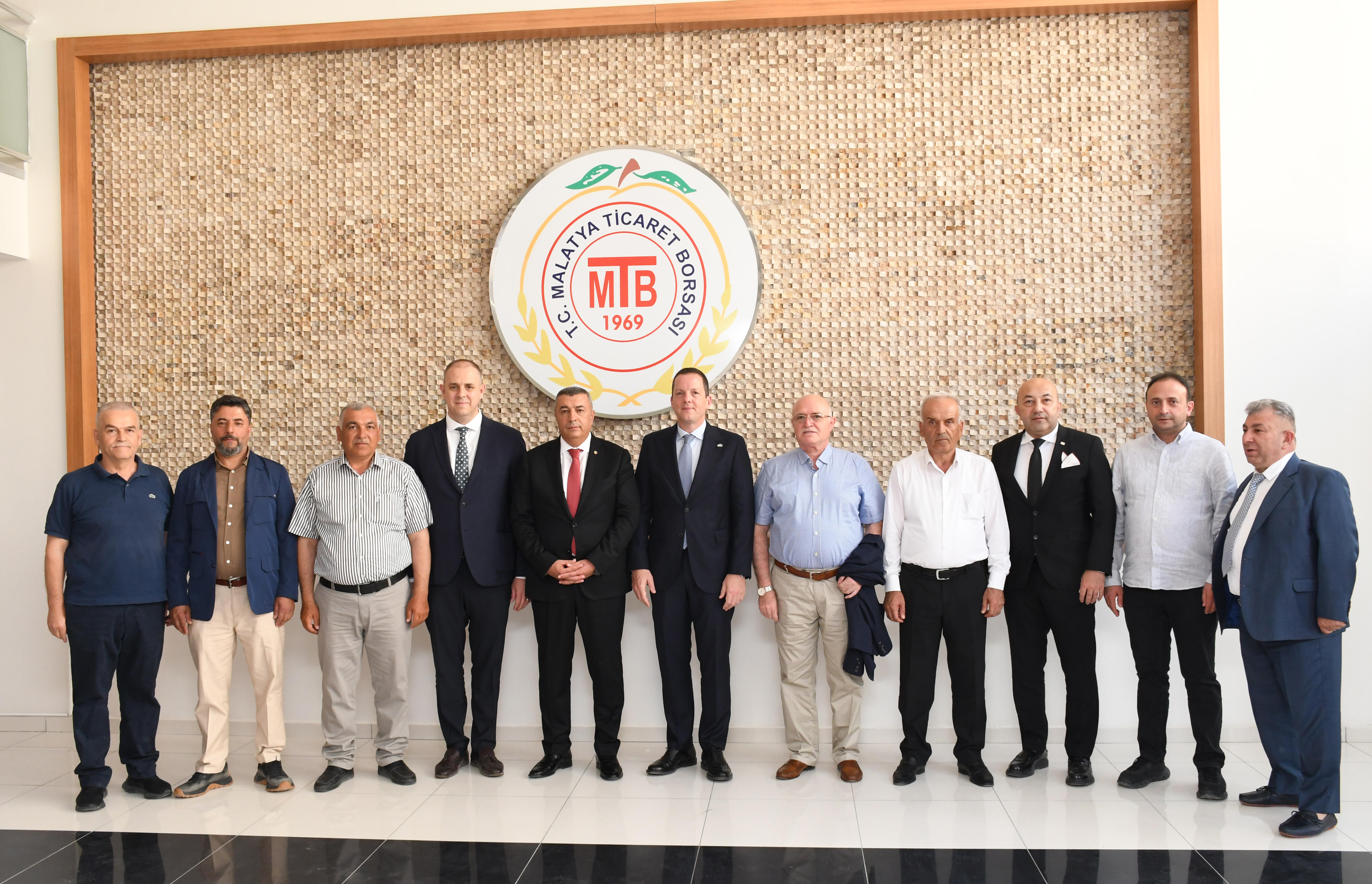
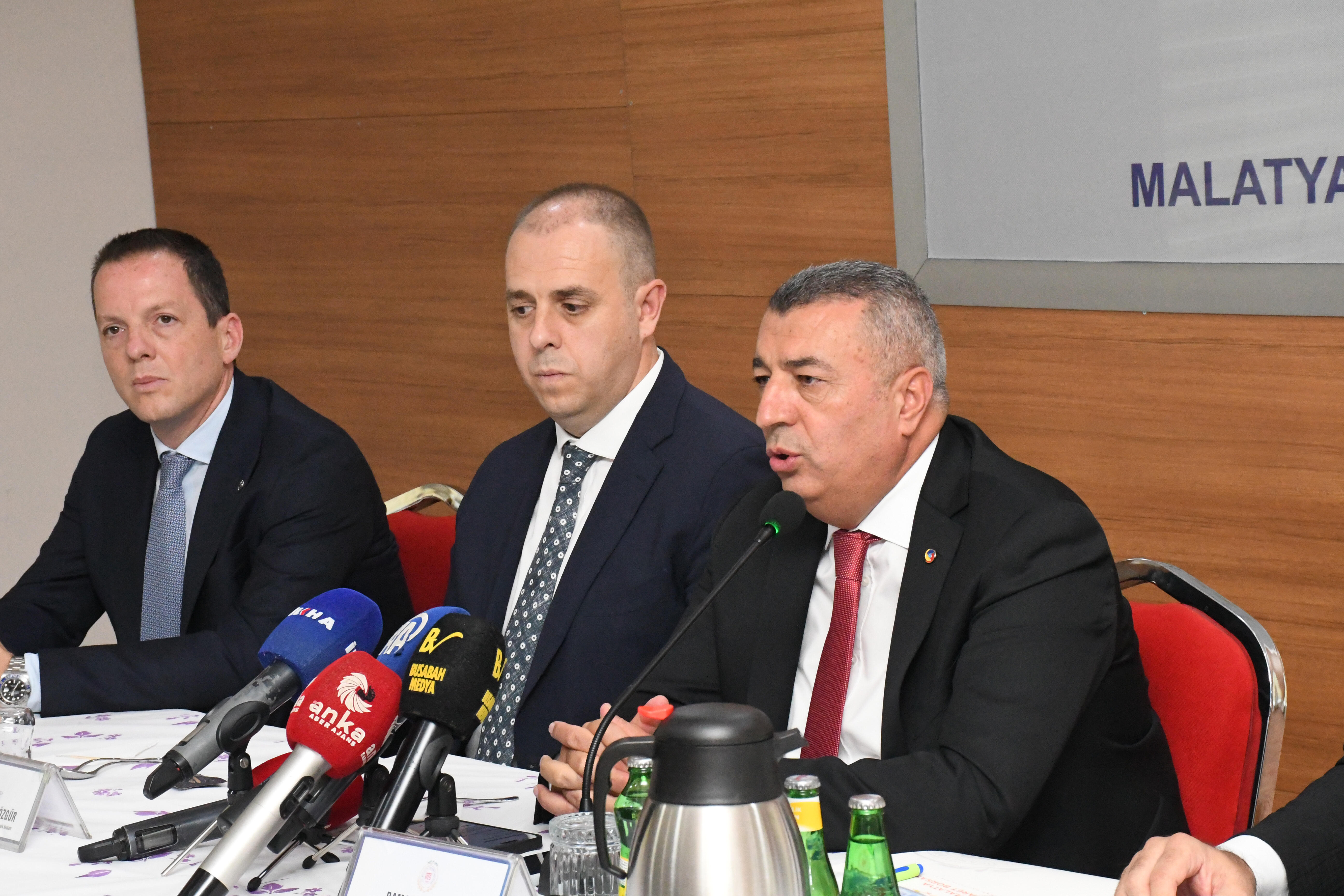
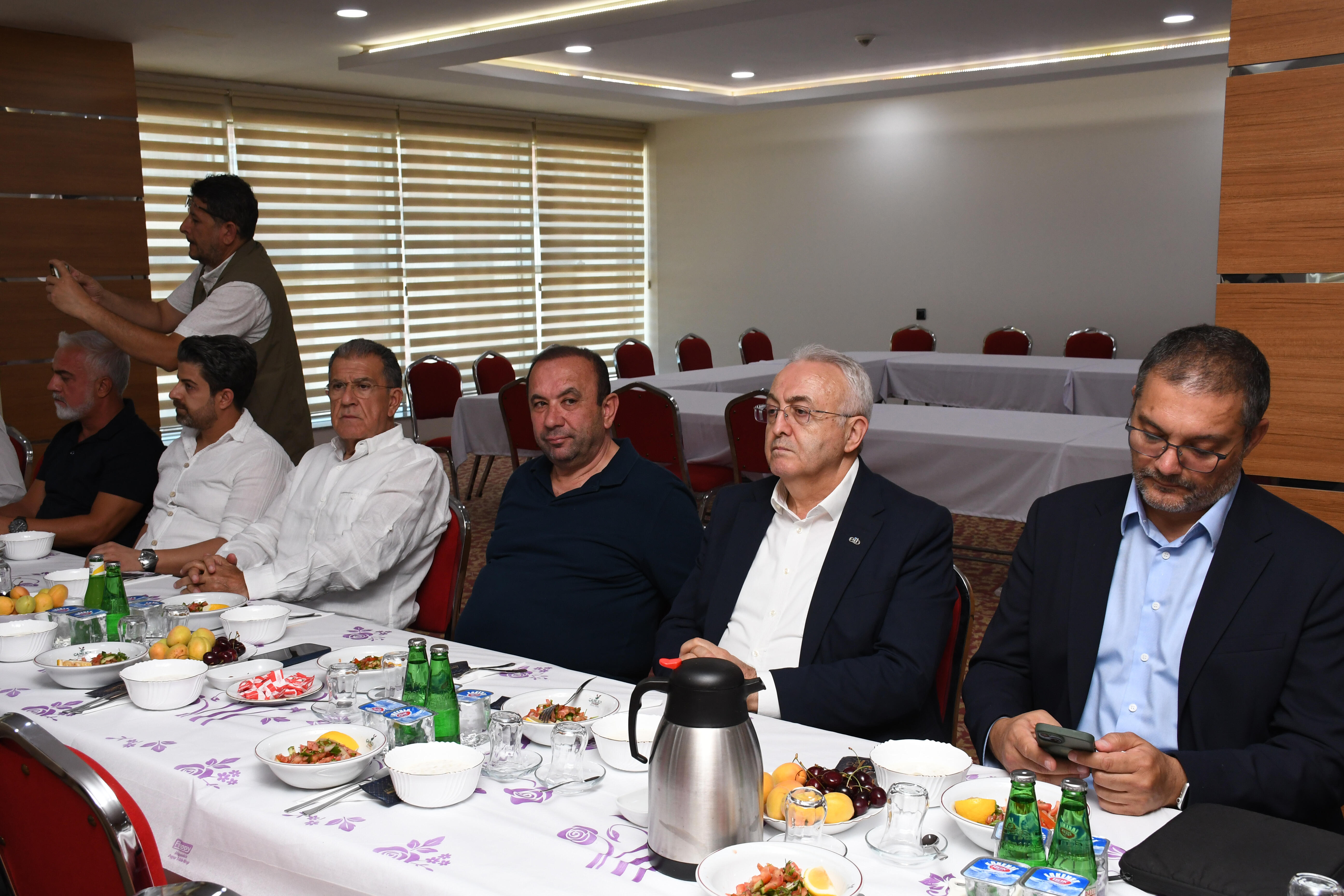
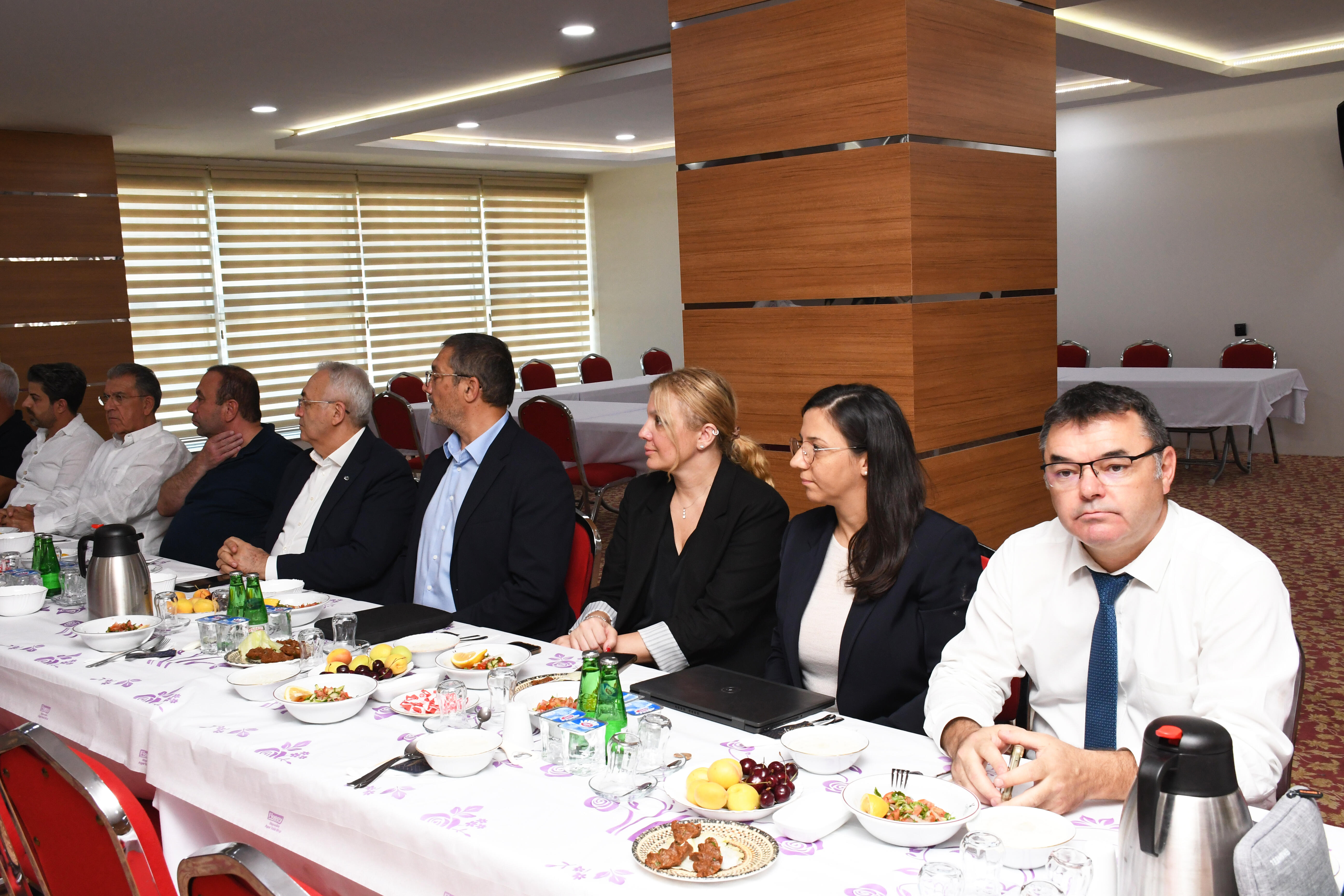
Türkiye'nin kuru meyve ihracatında önemli paya sahip ihracatçı birliklerinin başkanları ve sektör temsilcileri, Malatya Ticaret Borsası'nın ev sahipliğinde düzenlenen sektör kurulu toplantısında bir araya geldi.
Toplantıda, kayısı başta olmak üzere kuru meyve sektörünün mevcut durumu, ihracat hedefleri ve çözüm bekleyen sorunlar değerlendirildi.
"AMACIMIZ ÜRETİCİNİN DE TÜKETİCİNİN DE KAZANDIĞI BİR TABLO OLUŞTURMAK"
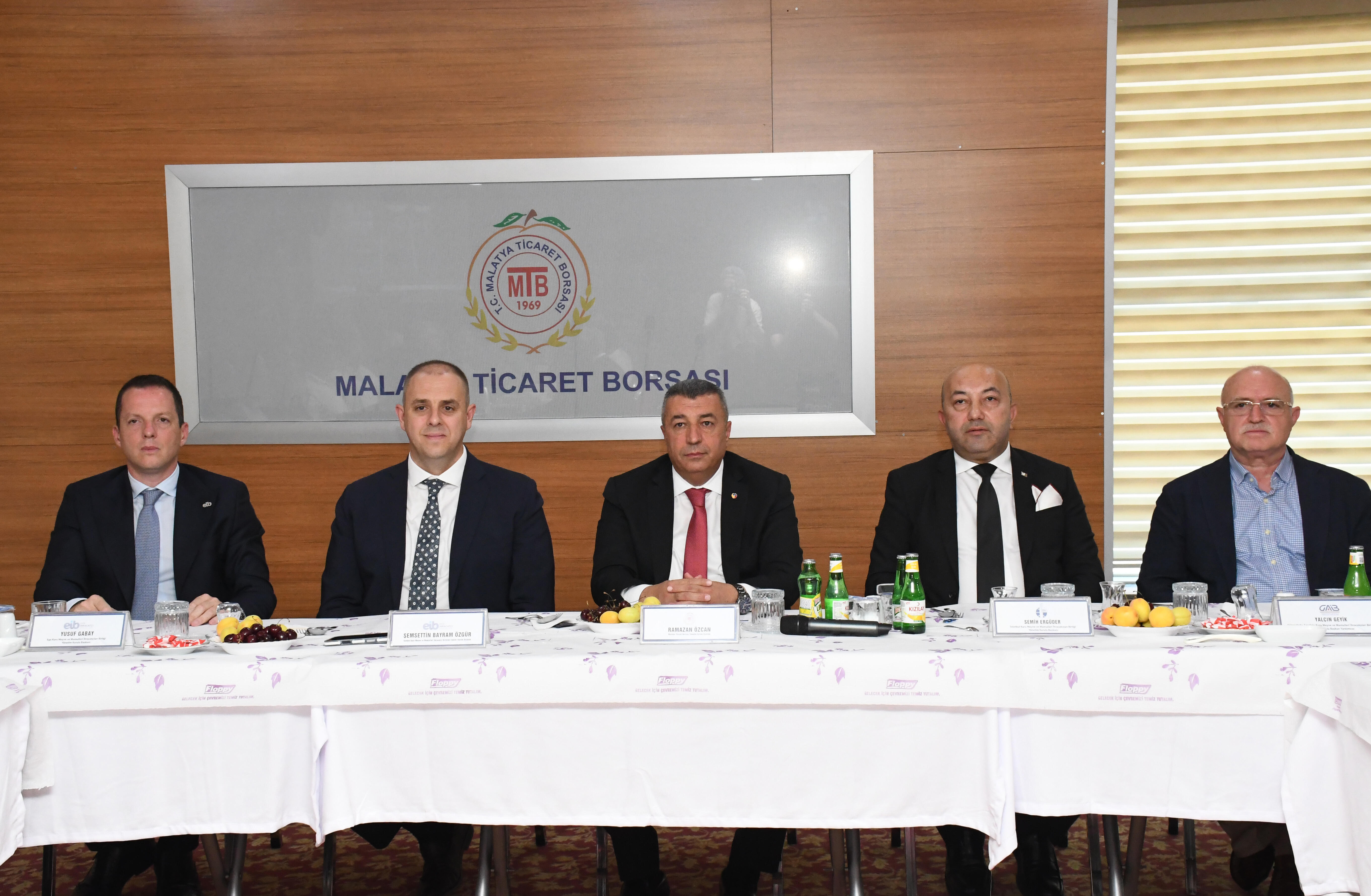
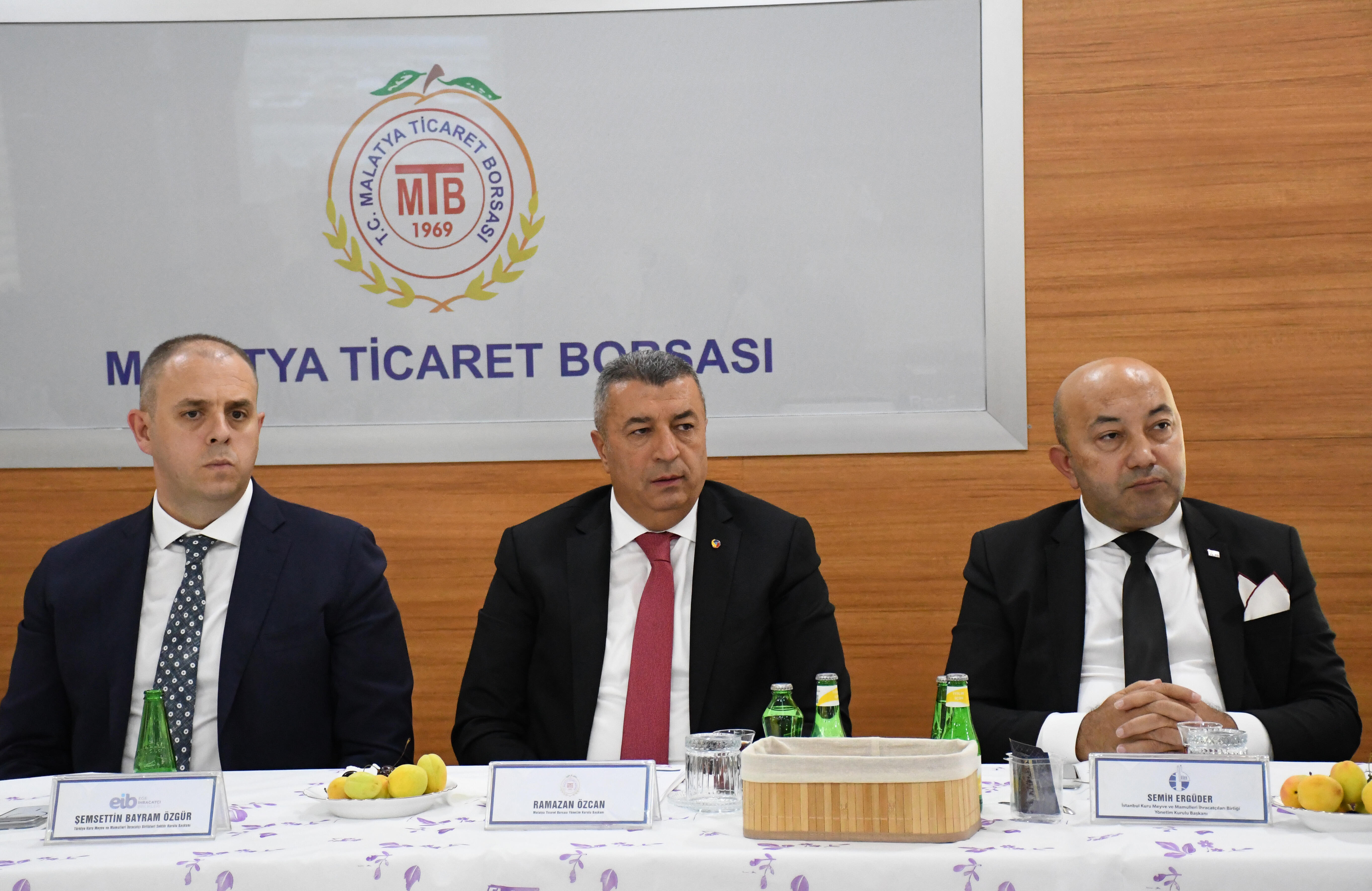
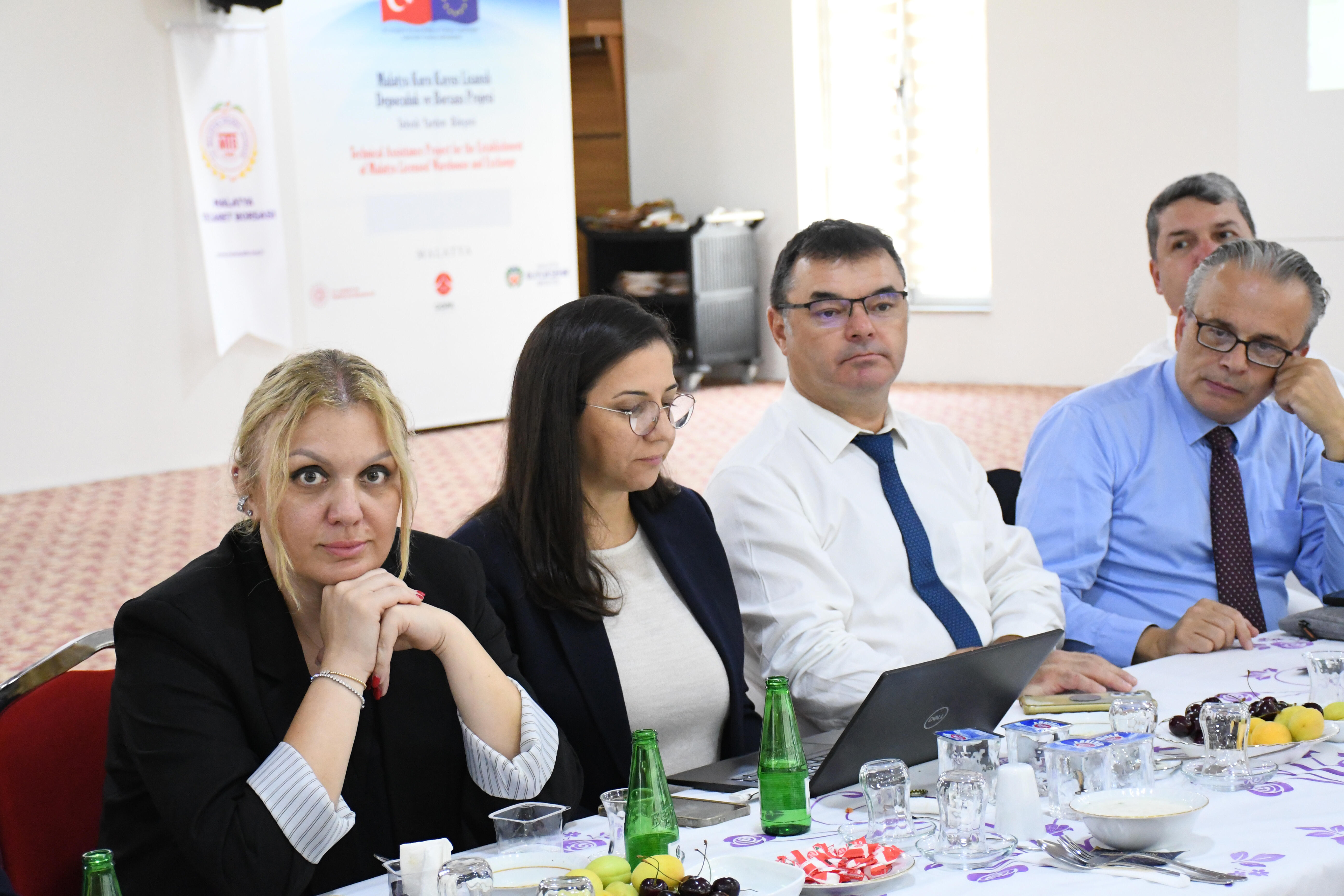
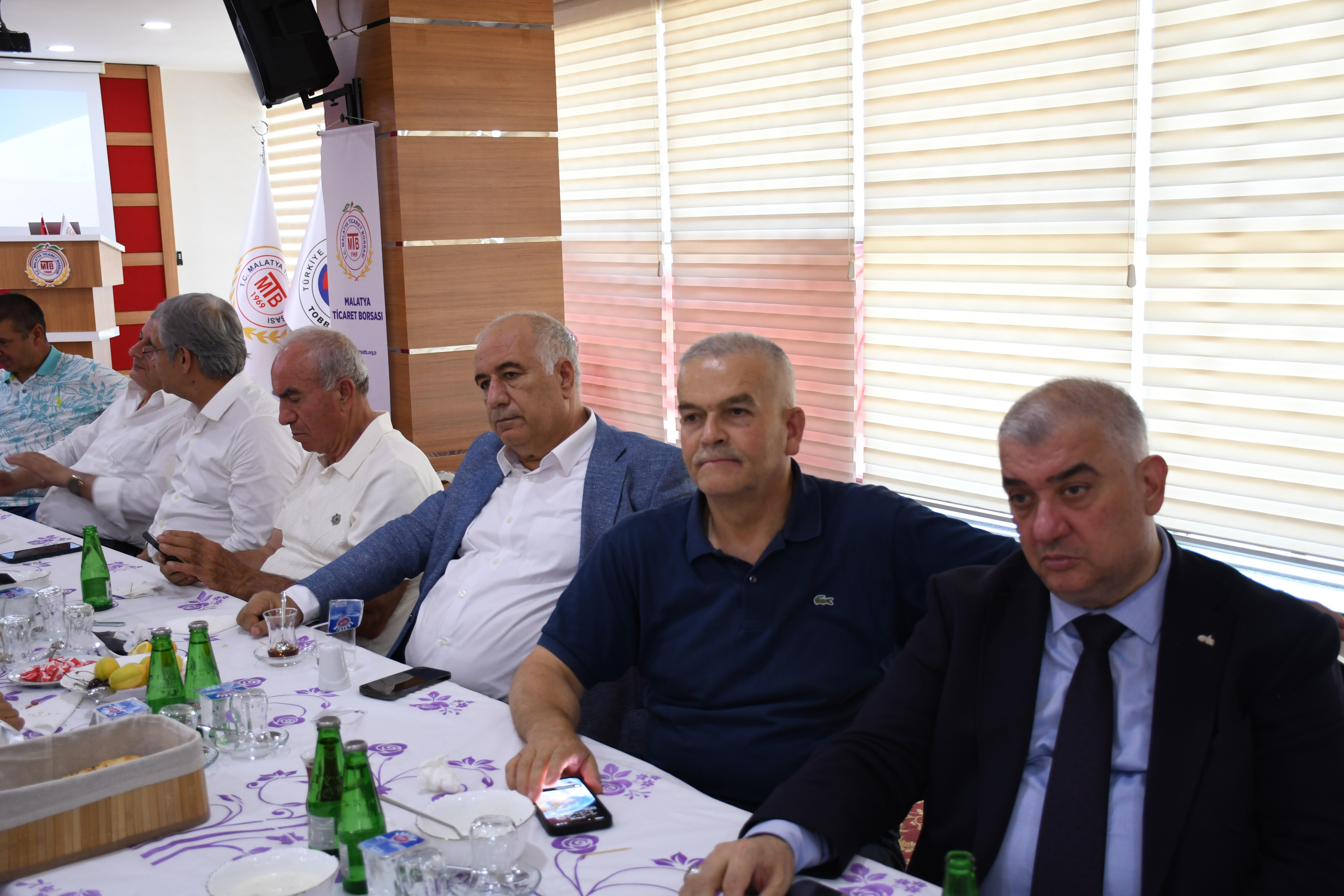
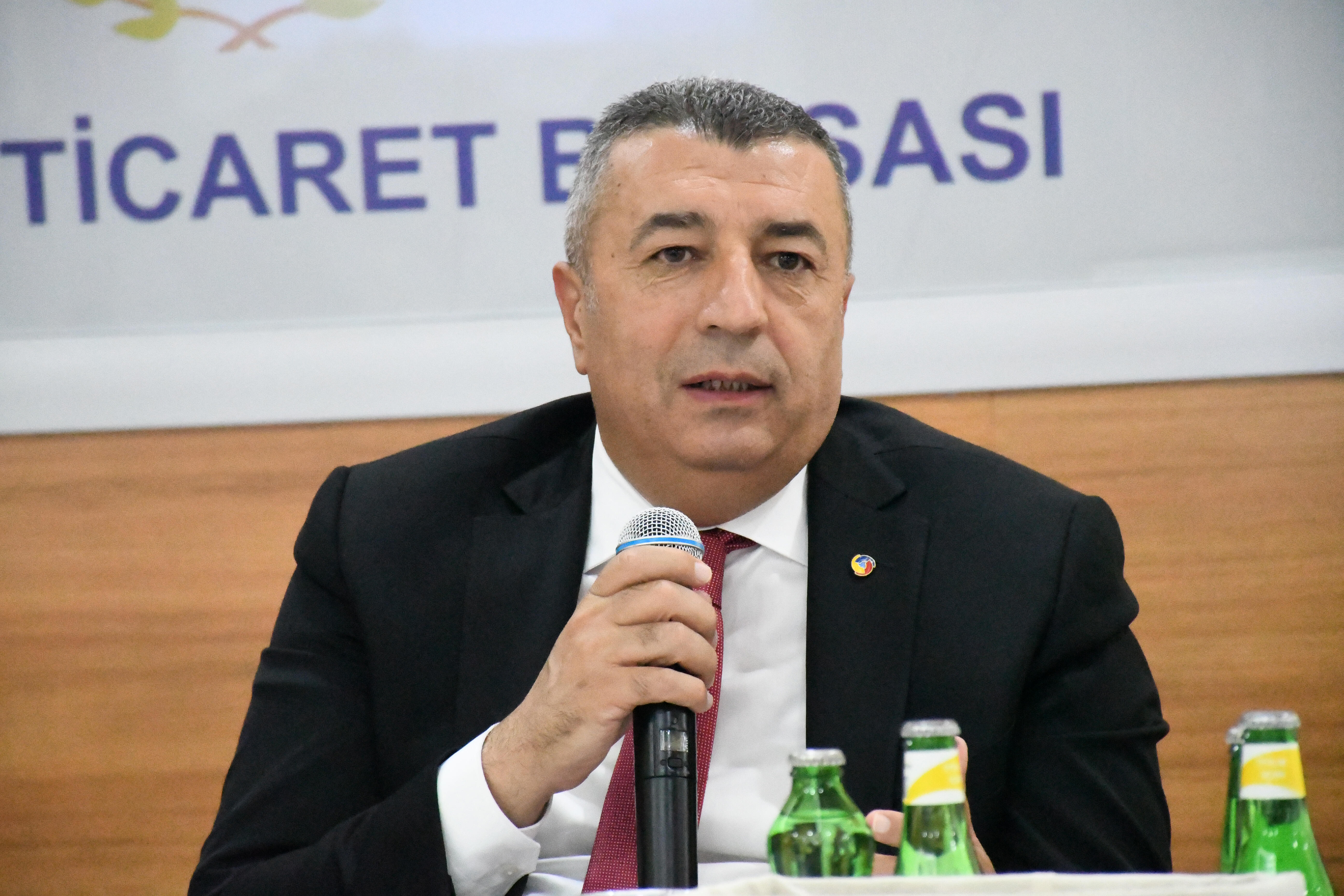
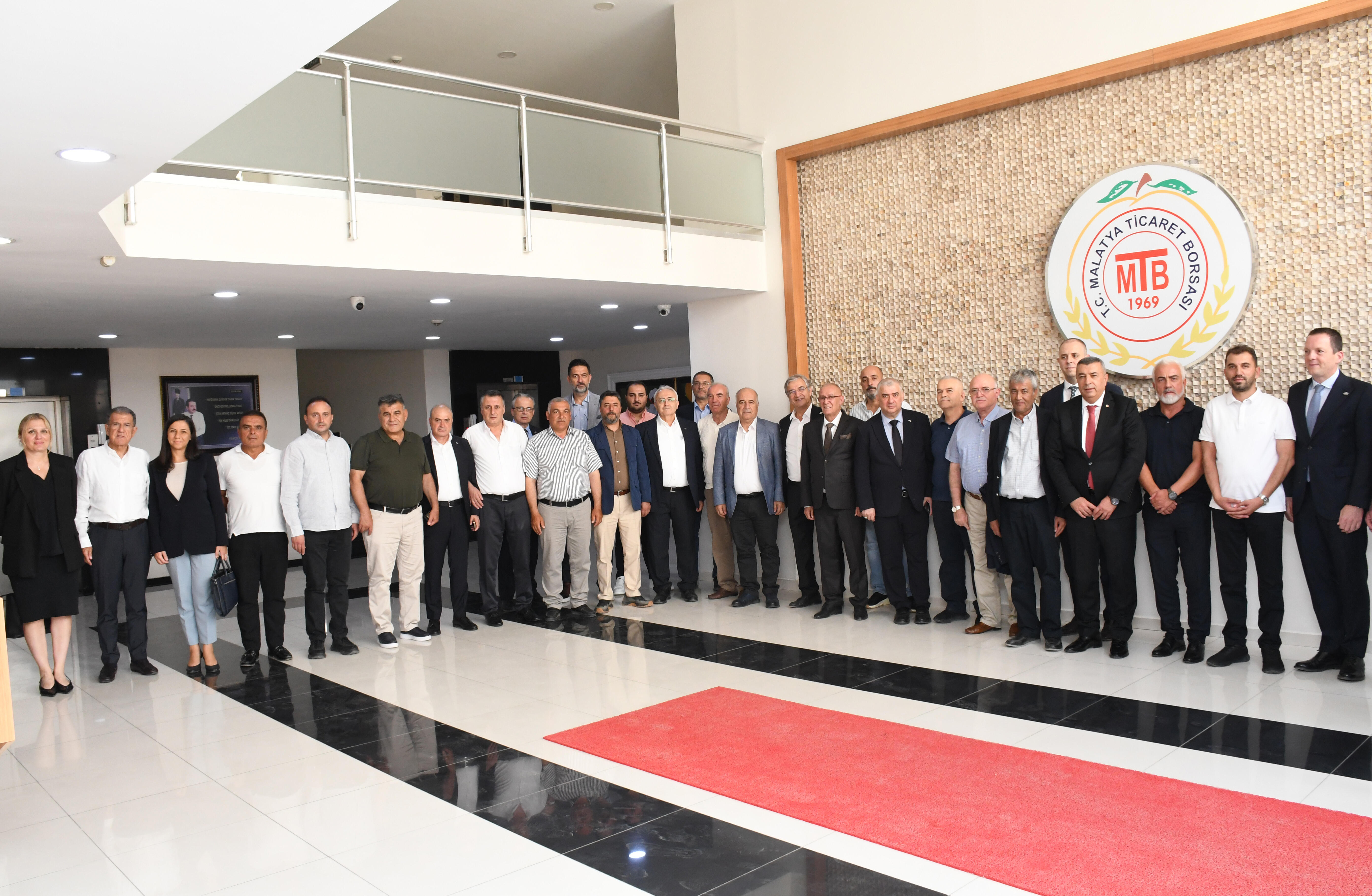
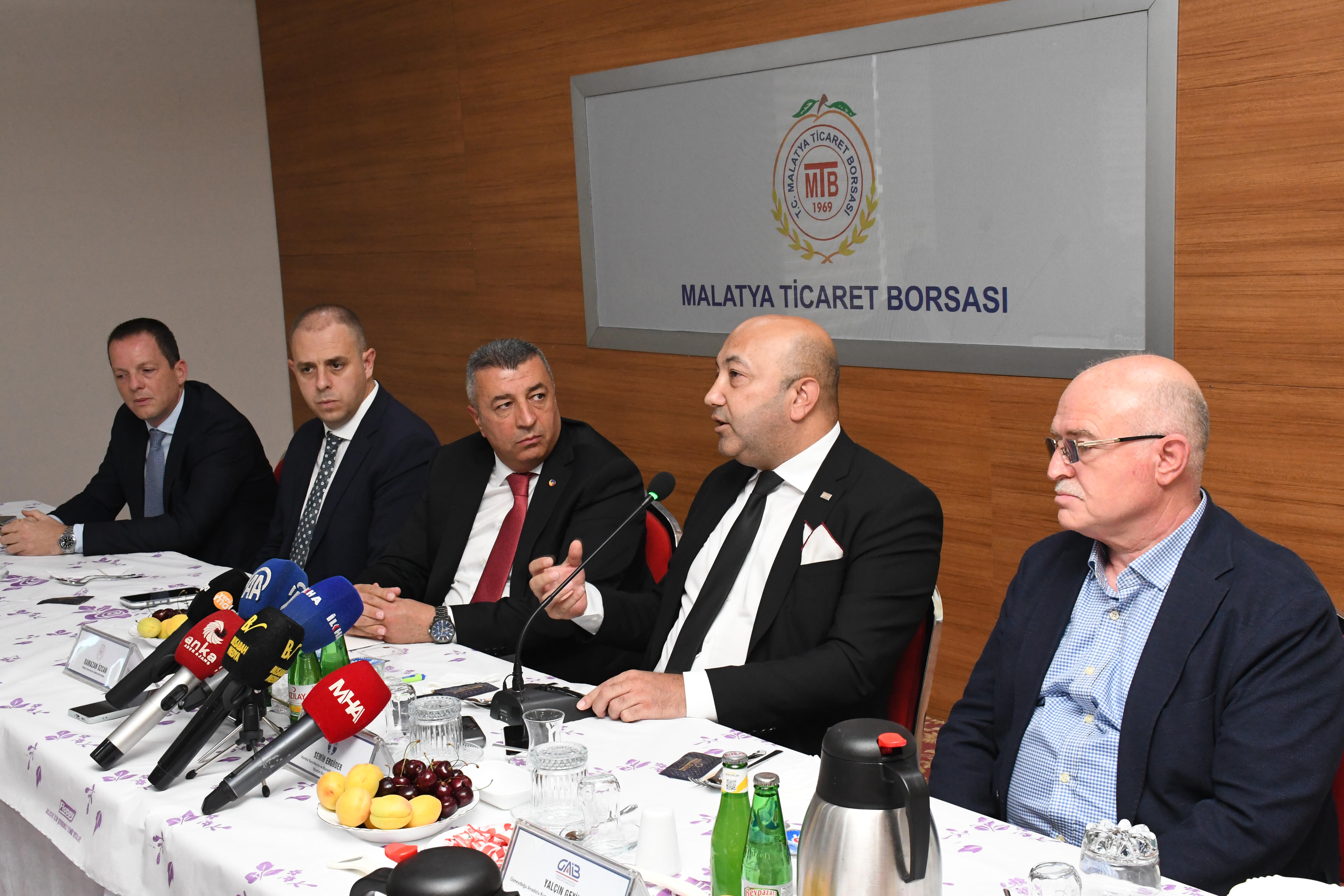
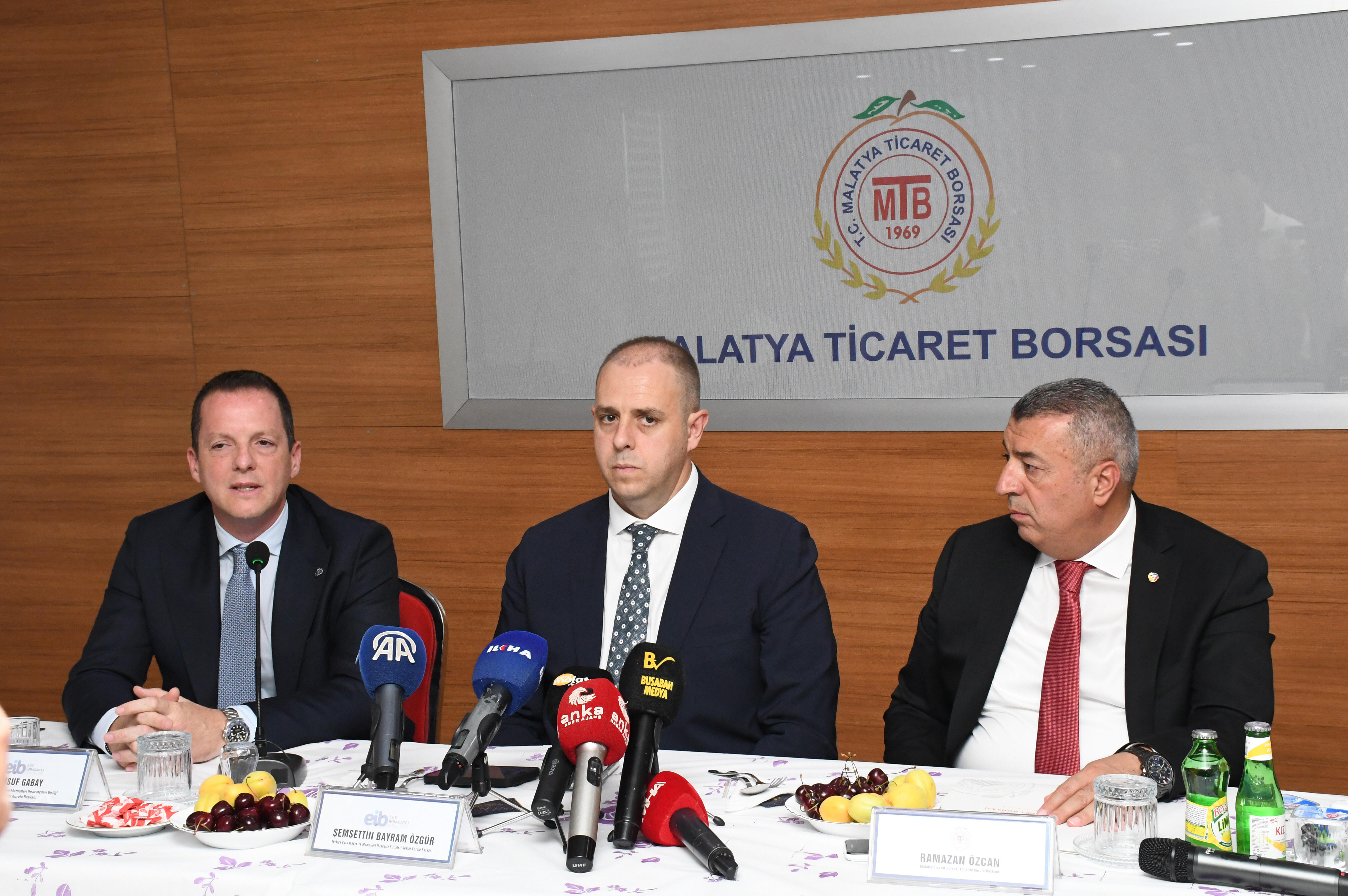
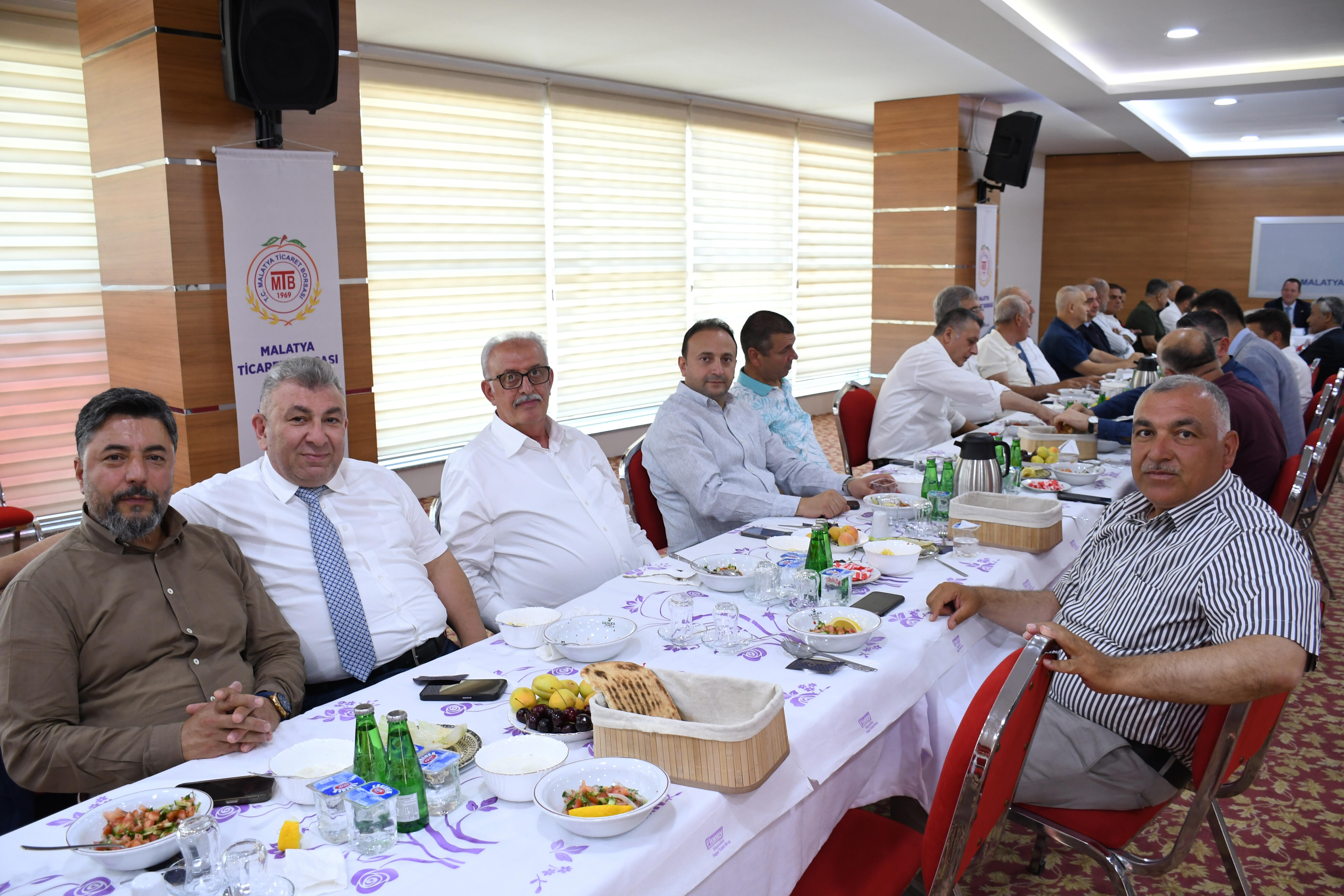
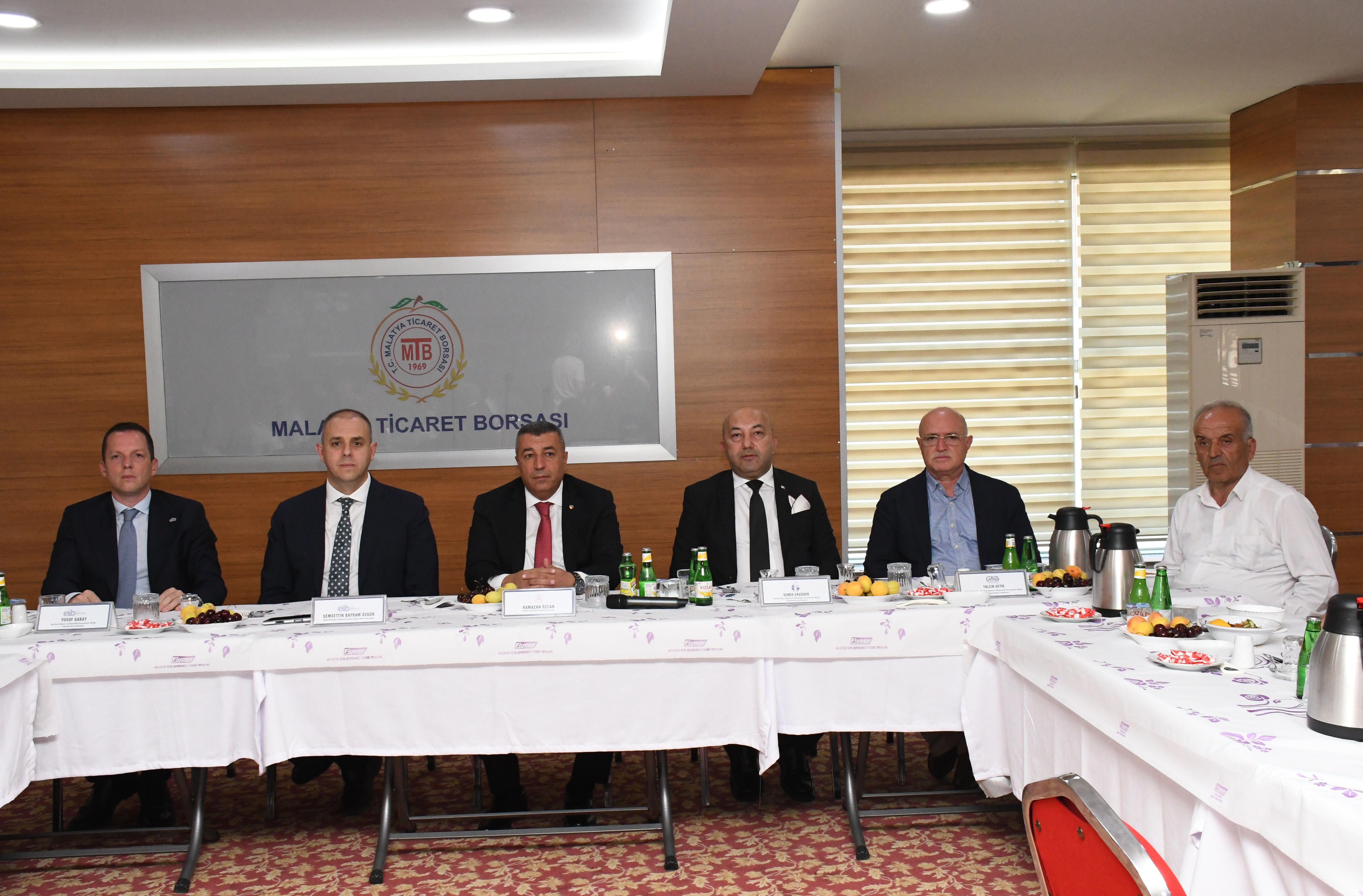
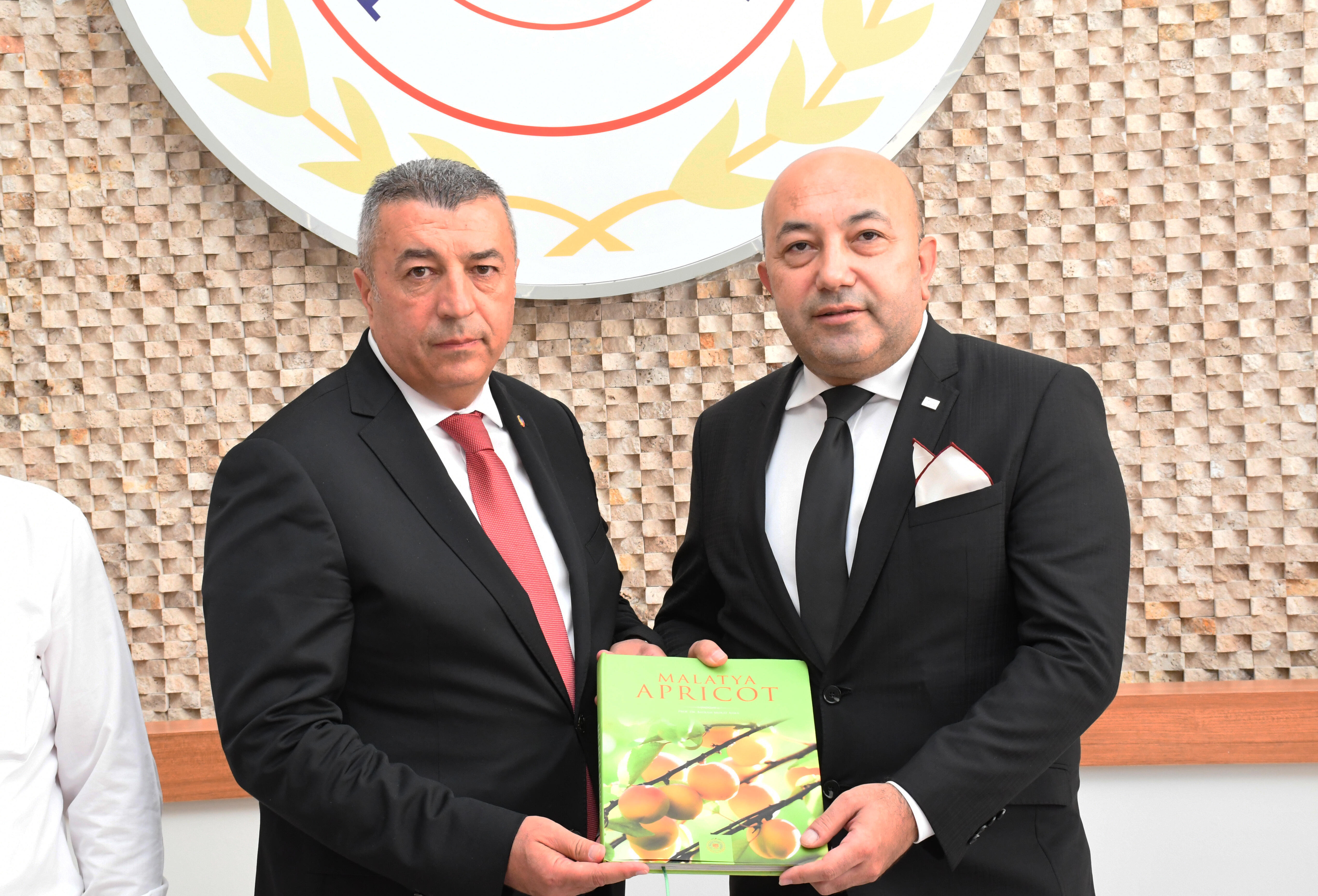
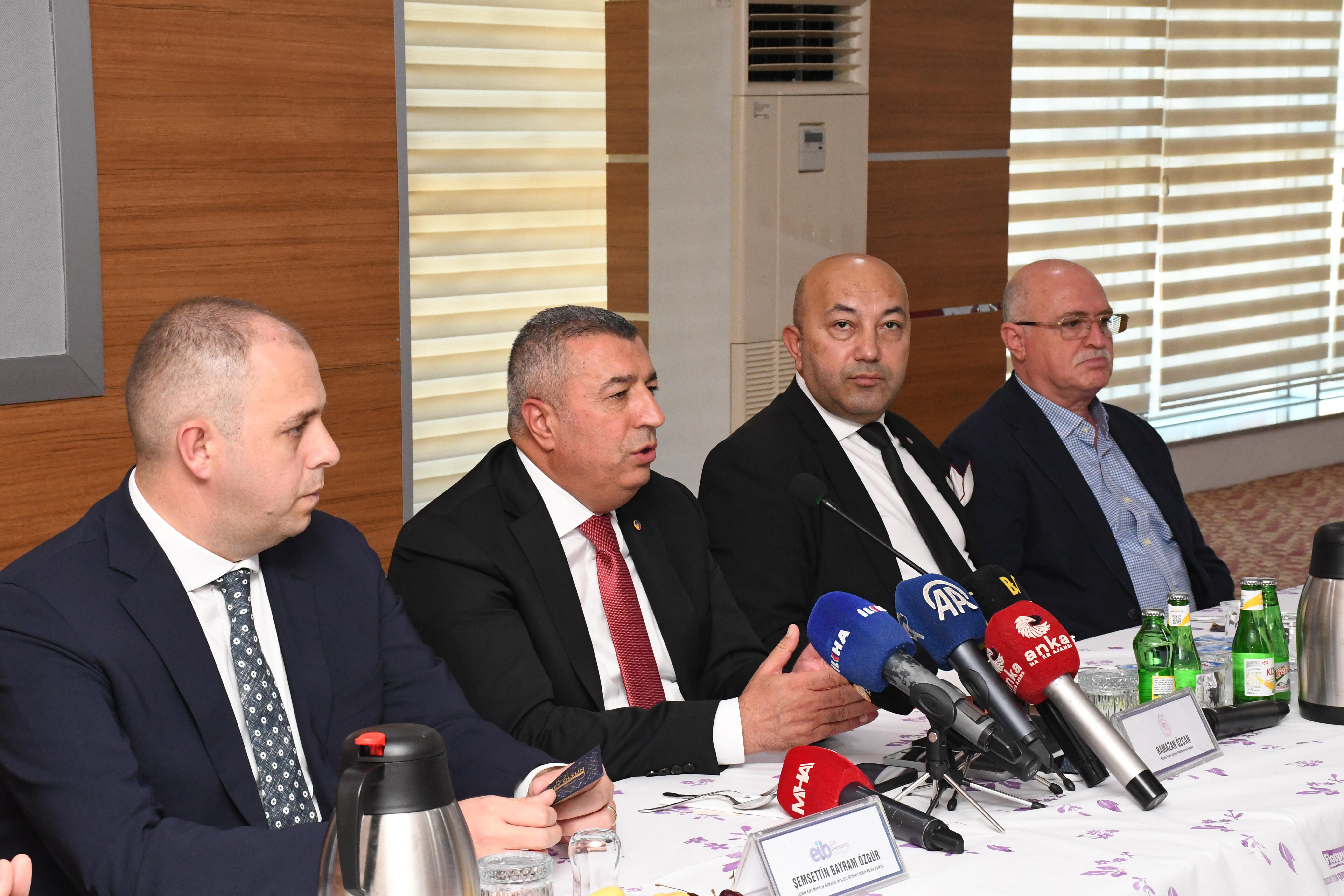
Toplantının açılışında konuşan Malatya Ticaret Borsası Başkanı Ramazan Özcan, Ege, Güneydoğu Anadolu ve İstanbul İhracatçı Birliklerinden yaklaşık 30 sektör kurulu temsilcisi, birlik başkanı ve yönetim kurulu üyesini Malatya'da ağırladıklarını belirtti.
Türkiye'nin dünya kuru meyve ticaretinde önemli bir tedarikçi ülke olduğunu, yıllık yaklaşık 2 milyar dolarlık kuru meyve ihracatı gerçekleştirdiğini ifade eden Özcan, kuru kayısının bu ihracatın yüzde 25'inden fazlasını oluşturduğunu söyleyerek, "Bugün burada bulunan iş insanlarımız ve sektör kurulu üyelerimiz, Türkiye'nin kuru meyve ihracatının neredeyse tamamını gerçekleştiren isimlerdir. Ev sahibi olarak toplantımıza katıldıkları için kendilerine teşekkür ediyorum." dedi.
Toplantının yalnızca Malatya Ticaret Borsası ile sınırlı olmadığını belirten Özcan, gün boyunca Valilik, Büyükşehir Belediyesi, İl Tarım ve Orman Müdürlüğü, Kayısı Araştırma Enstitüsü ve sivil toplum kuruluşlarıyla da istişarelerde bulunacaklarını ifade etti.
2025 yılının hem üreticiler hem de şehir ekonomisi açısından zor geçtiğini hatırlatan Özcan, "Hem dünyadaki kayısı tüketicisi açısından hem de üreticilerimiz açısından zor bir yılı geride bıraktık. Ancak artık 2026 hasat sezonuna başladık. Yaş kayısı ihracatı sürerken kuru kayısı üretimi de başladı. Ürünler depolarımıza gelmeye başladı." diye konuştu.
Bu yıl üreticinin yüksek gelir elde ettiği, tüketicinin de ürüne ulaşabildiği dengeli bir piyasa hedeflediklerini belirten Özcan, "Bütün amacımız çiftçimizin mutlu olduğu, üreticimizin son yılların en iyi gelirini elde ettiği, aynı zamanda alıcıların ve tüketicilerin de makul fiyatlarla ürüne ulaşabildiği bir sistem oluşturmak. Malatya kayısısı artık sadece Malatya'nın değil, Türkiye'nin prestij ürünlerinden biridir." ifadelerini kullandı.
"KAYBETTİĞİMİZ PAZARLARI YENİDEN KAZANACAĞIZ"
Türkiye Kuru Meyve ve Mamulleri İhracatçı Birlikleri Sektör Kurulu Başkanı Şemsettin Bayram Özgür ise kuru meyvenin Türkiye'nin en önemli ihracat kalemlerinden biri olduğunu belirterek üzüm, incir, kayısı ve Antep fıstığının sektör açısından büyük önem taşıdığını söyledi.
Yenilenen sektör kurulu olarak ilk toplantılarını Malatya'da gerçekleştirdiklerini ifade eden Özgür, ziyaret kapsamında Valilik, belediye, İl Tarım Müdürlüğü ve Ticaret Borsası başta olmak üzere birçok kurumla temaslarda bulunduklarını kaydetti.
Geçen yıl yaşanan zirai don nedeniyle kayısı üretiminde büyük kayıplar yaşandığını dile getiren Özgür, "Neredeyse sıfıra yakın bir rekolte vardı. İhracatı önceki yıldan kalan stoklarla yapmak zorunda kaldık. Bu nedenle ihracat rakamlarımız ciddi şekilde düştü ve bazı pazarları kaybettik." dedi.
Kaybedilen pazarların yeniden kazanılması için çalışacaklarını vurgulayan Özgür, "Çiftçimiz üretimini yaptı, ürününü en iyi şekilde yetiştirdi. Bundan sonra görev ihracatçılara düşüyor. Maksimum miktarda ve en yüksek katma değerle ihracat yaparak ülkemize en fazla dövizi kazandırmak için çalışacağız." ifadelerini kullandı.
"LİSANSLI DEPOCULUK ARTIK BİR ZORUNLULUK"
Ege Kuru Meyve ve Mamulleri İhracatçıları Birliği Yönetim Kurulu Başkanı Yusuf Gabay da incir, üzüm ve kayısının Türkiye'nin prestij ürünleri olduğunu belirterek, geçen yıl Türkiye'nin kuru meyve ihracatının 1,7 milyar dolar seviyesinde gerçekleştiğini söyledi.
Bu ihracatın yüzde 69'unun Ege İhracatçı Birlikleri tarafından yapıldığını ifade eden Gabay, kayısı ihracatının ise zirai don nedeniyle yaklaşık 250 milyon dolarda kaldığını, bunun yarısının Ege İhracatçı Birlikleri tarafından gerçekleştirildiğini kaydetti.
Malatya Ticaret Borsası'nın lisanslı depoculuk tesislerini ziyaret ettiklerini belirten Gabay, "Geçen yıl lisanslı depoculuğun ne kadar önemli olduğunu gördük. İklim değişikliği nedeniyle bazı yıllar ürün az olabilir veya hiç olmayabilir. Mevcut pazarlardaki gücümüzü koruyabilmek ve yeni pazarlar kazanabilmek için ürünümüzün bol olduğu yıllarda lisanslı depolarda muhafaza edilmesi büyük önem taşıyor." dedi.
Lisanslı depoculuk yatırımları dolayısıyla Malatya Ticaret Borsası ve emeği geçenlere teşekkür eden Gabay, bu yatırımların sektör için stratejik öneme sahip olduğunu söyledi.
"PESTİSİT SORUNU ÇÖZÜLÜRSE İHRACAT 2,5 MİLYAR DOLARA ÇIKABİLİR"
İstanbul Kuru Meyve ve Mamulleri İhracatçıları Birliği Yönetim Kurulu Başkanı Semih Ergüder ise Türkiye'nin kuru meyvede yaklaşık 2 milyar dolarlık ihracat gerçekleştirdiğini belirtti.
İncirde aflatoksin, üzüm ve kayısıda ise pestisit sorununun ihracatın önündeki en büyük engellerden biri olduğunu dile getiren Ergüder, "Ürünlerimizin yurt dışından geri dönmesi ihracatçılarımız için çok büyük sorun oluşturuyor. Mahrece iade süreci de oldukça zor ilerliyor." ifadelerini kullandı.
Malatya'da kurulan lisanslı depoları beğendiklerini belirten Ergüder, pestisit sorunuyla mücadelede mülki idare ve kolluk kuvvetlerinin de sürece destek vermesi gerektiğini söyledi.
Vali ile bu konuyu görüştüklerini aktaran Ergüder, "Bu sorun çözüldüğünde Türkiye'nin kuru meyve ihracatının 2,5 milyar dolara ulaşacağına inanıyoruz." dedi.
"SOĞUK HAVA DEPOLARI SEKTÖRE DEVRİM NİTELİĞİNDE KATKI SAĞLADI"
Güneydoğu Anadolu Kuru Meyve ve Mamulleri İhracatçıları Birliği Yönetim Kurulu Başkan Yardımcısı Yalçın Geyik ise Malatya Ticaret Borsası öncülüğünde hayata geçirilen soğuk hava depolarının kayısı sektörü açısından devrim niteliğinde bir yatırım olduğunu söyledi.
Geçen yıl yaşanan zirai don sürecinde bu yatırımların öneminin daha iyi anlaşıldığını ifade eden Geyik, "Bugün ayrıca son teknolojiyle donatılmış analiz laboratuvarını da gördük. Bu da sektör için çok büyük bir kazanım." diye konuştu.
Pestisit konusunda Malatya Valiliğinin hassasiyet gösterdiğini belirten Geyik, "Başkanımızın katkılarıyla el birliği içerisinde bu sorunu da çözeceğimize inanıyoruz. Toplantımızın sektör adına hayırlı sonuçlar doğurmasını temenni ediyorum." dedi.
{{item.description[0].name}}